Latest Articles
The future will not fit your risk register
The Last Word: When disruption multiplies faster than organisations can catalogue it, the advantage shifts from predicting what comes next to being able to move when it arrives.
If 2026 already feels volatile, keep some space on the risk register. The years ahead are unlikely to become more obliging. Geopolitical fragmentation, cyber insecurity, climate volatility, technological disruption and social polarisation no longer arrive neatly, one after another. They overlap, interact and amplify e
0
2
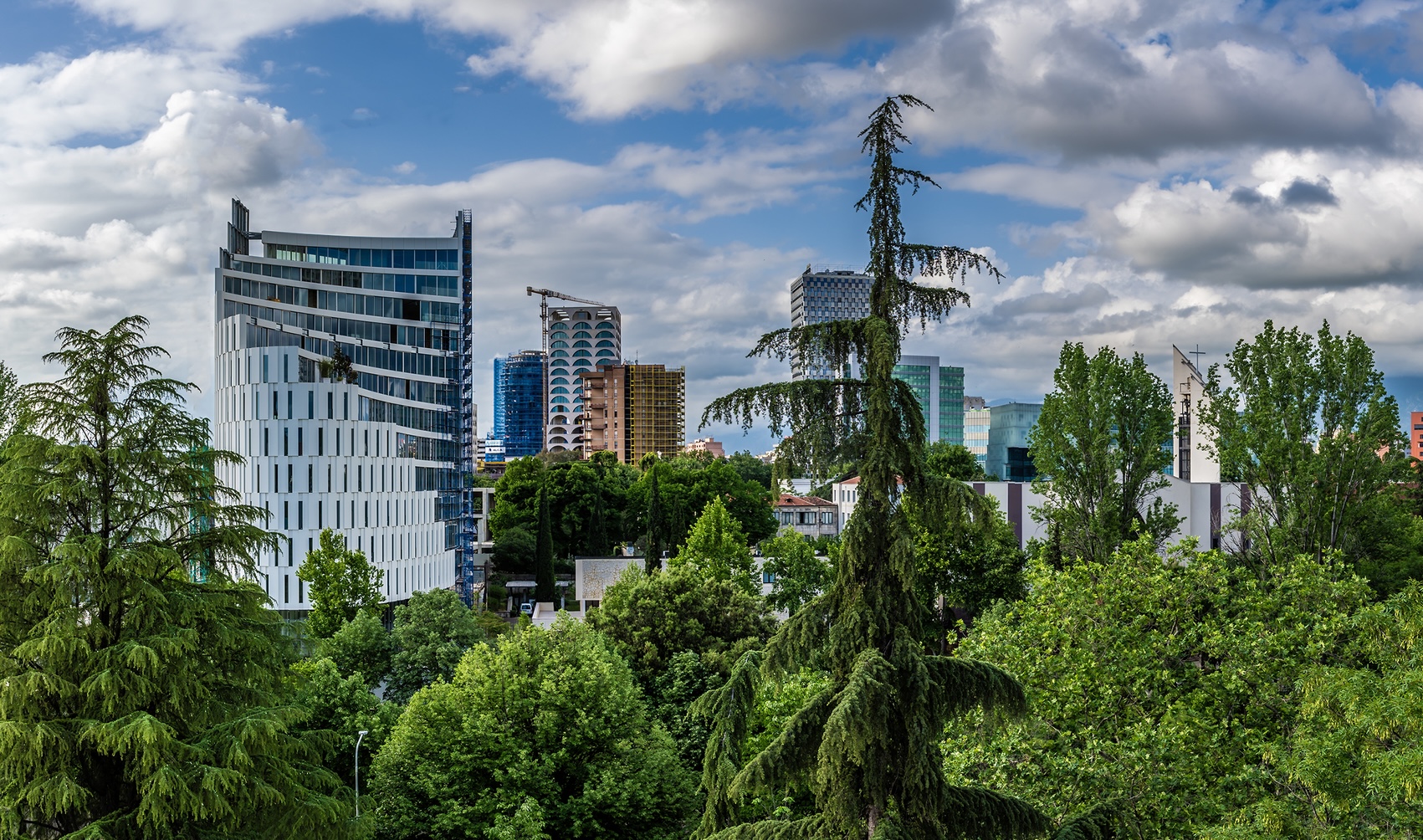
Albania’s start-up moment
The founders have chosen to stay and build. What they need now is early-stage money and enough contact with the people who fund such things.
Something is unfolding in co-working spaces in Tirana, in university labs, and among young founders building products for a global market. It’s a start-up ecosystem finding its feet, and it deserves more attention than it’s getting.
The fundamentals are stronger than people assume. Albania has a young, tech-literate population, competitive costs, and
0
2
Why Central Europe’s innovators need EU Inc.
The proposed pan-European corporate form could free Central Europe’s start-ups from disguising their origins behind Western-sounding brands.
When the European Commission tabled its proposal for a 28th corporate regime in March—a new company form officially branded ‘EU Inc.—it sparked the usual pushback. In Brussels, the debate quickly became bogged down in fears over labour rights and administrative harmonisation. Seen from Warsaw, Bucharest or Prague, however, the picture looks entirely diff
0
0
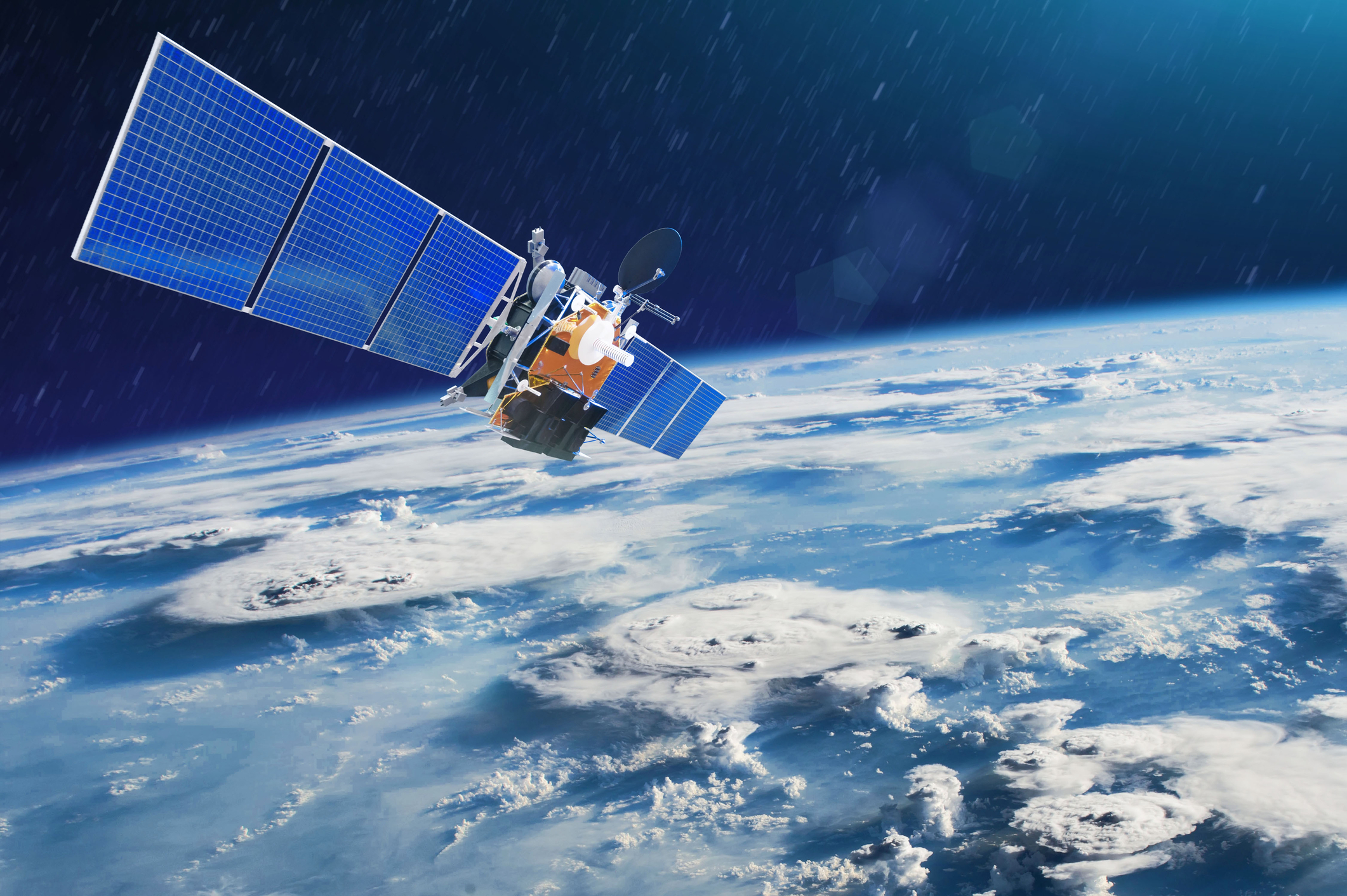
Ground control
Governments are pouring record public sums into space. But the returns, and above all the rockets, still belong mostly to America and China.
Space may well be the final frontier, but there’s money to be made on Earth, too, and a lot of that is public money. Governments around the world made a global public investment of 119 billion euros in the sector last year, according to the European Space Agency (ESA). The upstream market, focusing on spacecraft manufacturing and launch service provision
0
0
When the old title no longer fits
The Last Word: A longer life will require more than one version of you, and the judgement to know which of the older ones are worth keeping.
A new white paper from Henley Business School starts with a simple premise: working lives can now easily stretch across six decades. Based on interviews with people aged between 19 and 86, it found something else worth paying attention to. When it came to attitudes towards new technology, professional identity was a stronger predictor than age. In other
0
0
Covid’s populist legacy
Covid faded, the politics it fed did not. The populist parties that rode the pandemic dropped the vaccine talk but have all outlasted it.
When Lady Evelyn Beauchamp died in 1980, aged 79, following a series of strokes, there were plenty of conspiracy theorists on hand to declare that the curse of Tutankhamun had struck again. Some 58 years previous, aged just 21, Lady Evelyn, along with her father the Earl of Carnarvon and the archaeologist Howard Carter, had been the first people in moder
0
0

Why accurate CO2 reporting is becoming a strategic priority for European businesses
With stakeholders demanding measurable progress, accurate CO2 reporting is now fundamental to remaining competitive.
With climate change shaping global policy and business landscapes, the accurate measurement of carbon emissions has become essential for European companies.
Increasingly, organisations are seeking comprehensive CO2 reporting tools and strategies, not just to comply with regulations but also to gain operational and reputational advantages. As we move further into a net-zero e
0
0

Reading the room
Teenagers read worse than they did, the newest PISA scores find. Ban their social media if you like; the adults, who vote, fare no better.
Amidst a deluge of short-form video content across so many different social media channels, content which these days can cover anything from politics to food, sport to travel, dating advice to film reviews, can anyone still be bothered to actually read anything? The evidence put forward by the latest results of the Organisation for Economic Co-operation
0
0
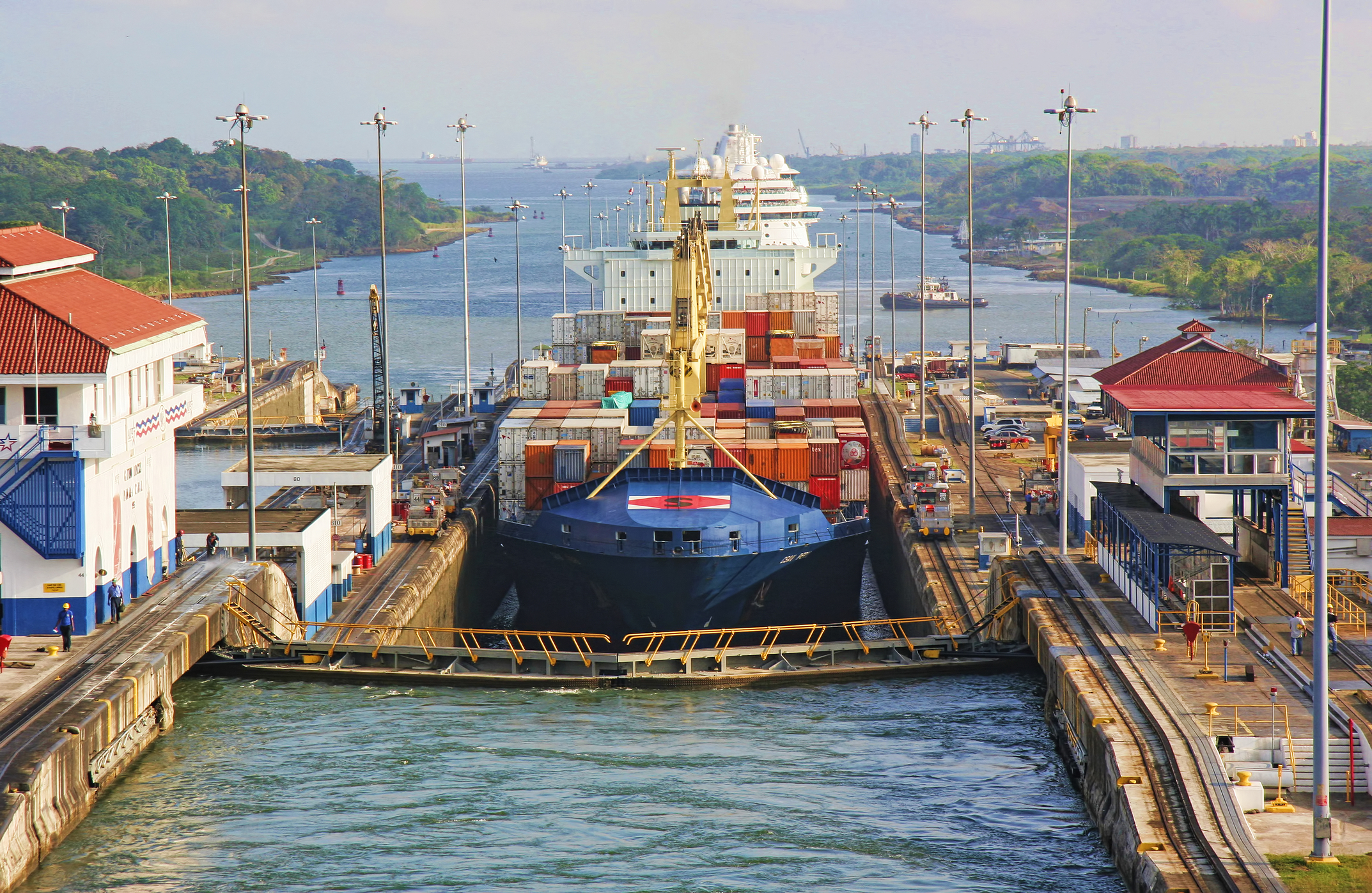
Broken links
Firms worked hard to make their supply chains greener. The more urgent threat is the weather now breaking them, and few have a plan for it.
Nearly nine in ten (87 per cent) of pharmaceutical companies across the G7 expect climate-related disruption to their medicines supply chains to increase in the years ahead, according to research from the British Standards Institution (BSI). A rather different kind of remedy, coffee, faces climate change-linked supply gaps of up to 30 per cent in Western
0
0
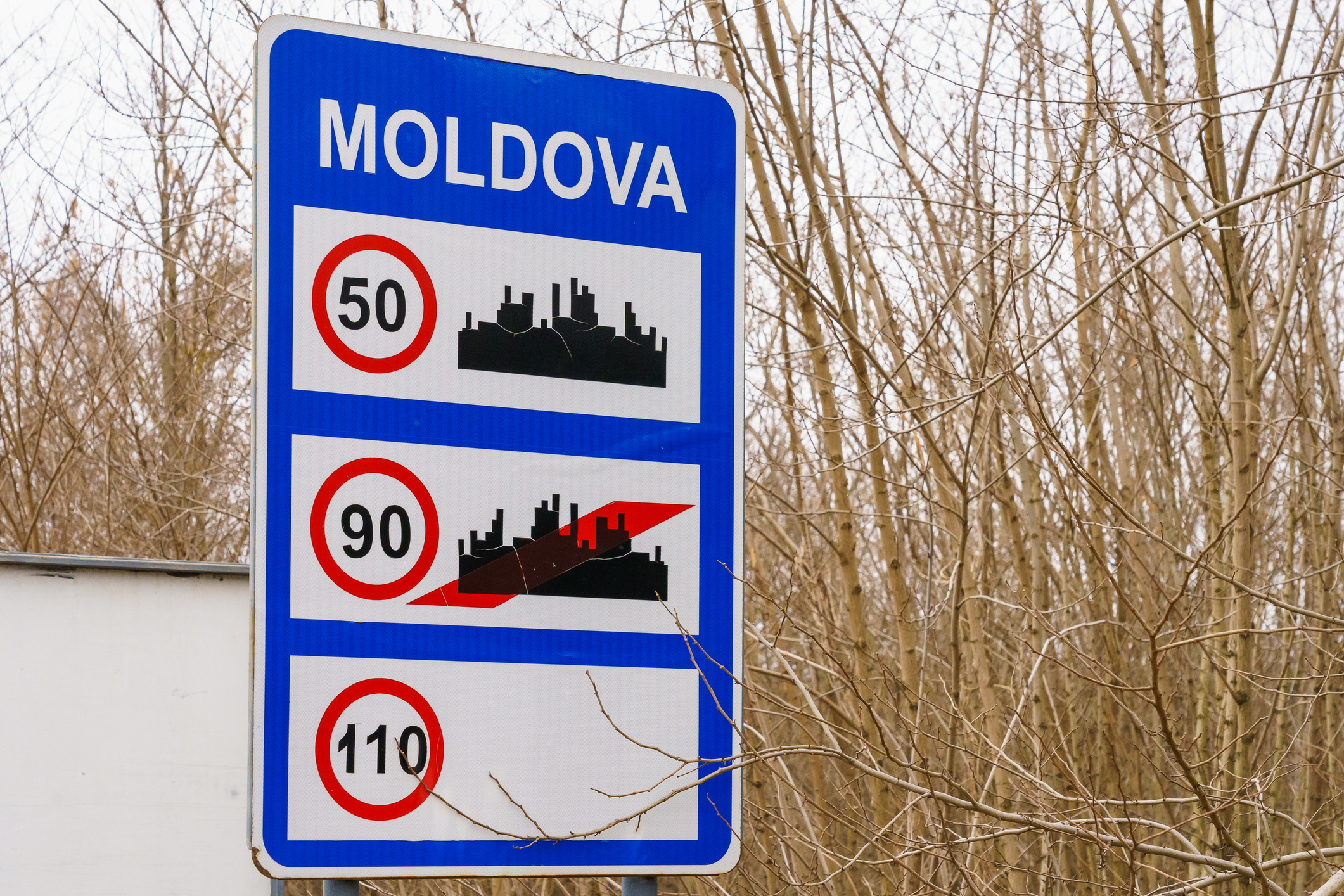
How to unite a country
Germany showed the world what reuniting a country costs. For Moldova, the road west through Brussels looks cheaper and considerably safer.
It’s often said that the Berlin Wall fell by accident, the result of Günter Schabowski, the unofficial spokesperson of East Germany’s ruling Socialist Unity party (SED), saying at a press conference early on the evening of November 9, 1989, that East German citizens could travel abroad without having to meet the previously onerous (and often impossible) re
0
0
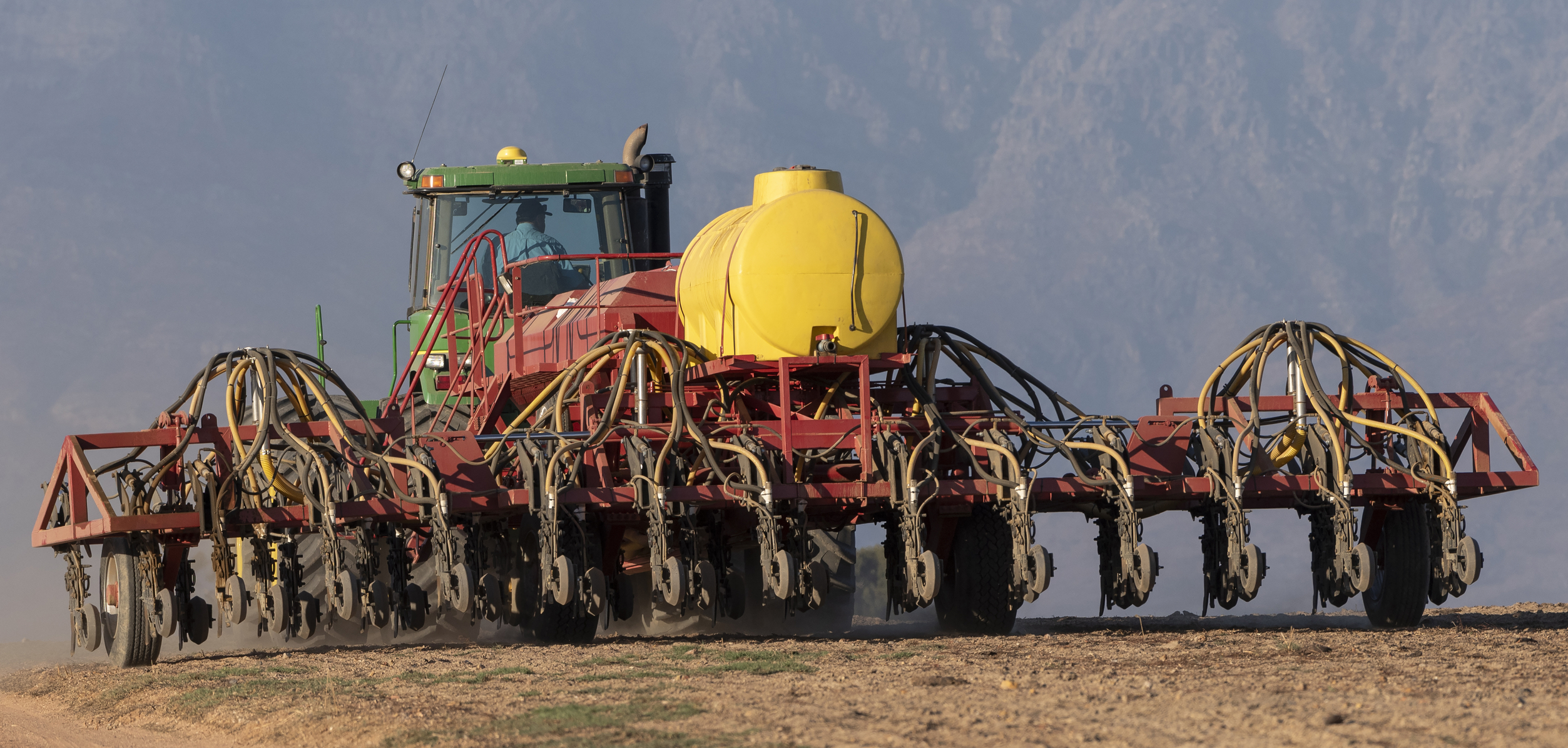
Beyond the AI race
How BRICS is helping the Global South harness technology to deliver better healthcare, protect livelihoods, and strengthen food security.
Artificial intelligence is advancing at a breathtaking pace. Countries and companies are racing to build more powerful models and push the boundaries of what machines can do.
But for much of the Global South, the more immediate question is a different one: How can AI help solve problems that affect people’s lives today?
The answer may not always l
0
6
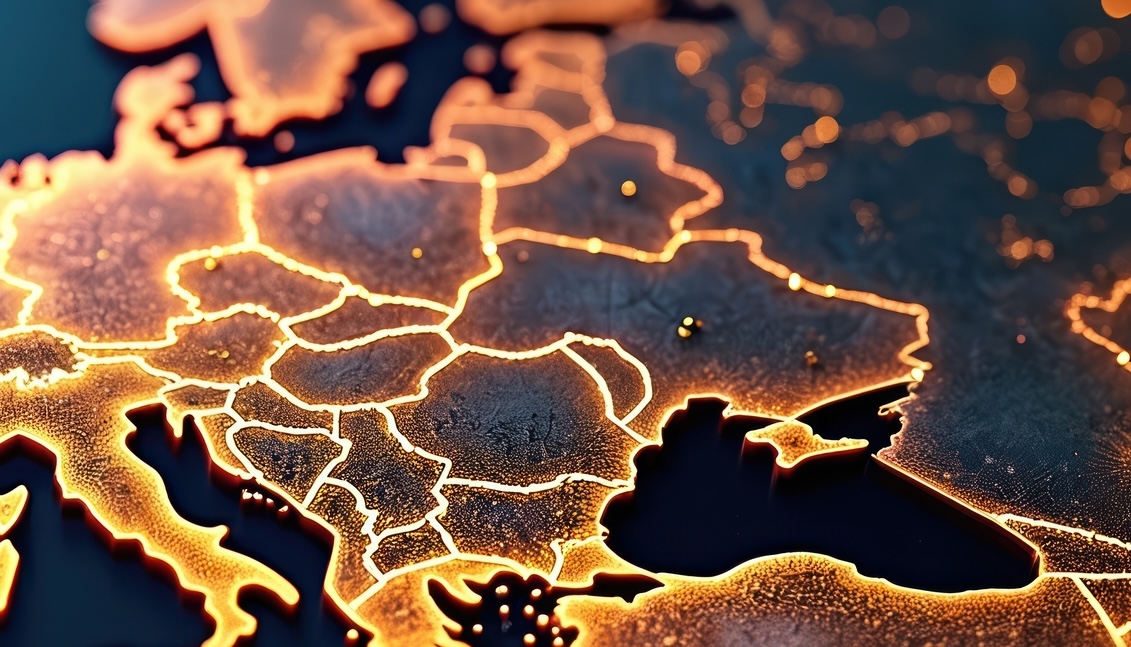
AI + 4IR: Ambitions and options for CEE
Artificial intelligence is the technology of the moment, and Central and Eastern Europe can meet it as eleven competitors or as one region.
Artificial intelligence (AI) is becoming a key engine driving the machine of the Fourth Industrial Revolution (4IR). The driver still matters, which means that Central and Eastern Europe now has to decide which direction it wants to take. This is not just an overwrought metaphor; it separates a region that treats AI as a fashionable chapter of technology
0
8
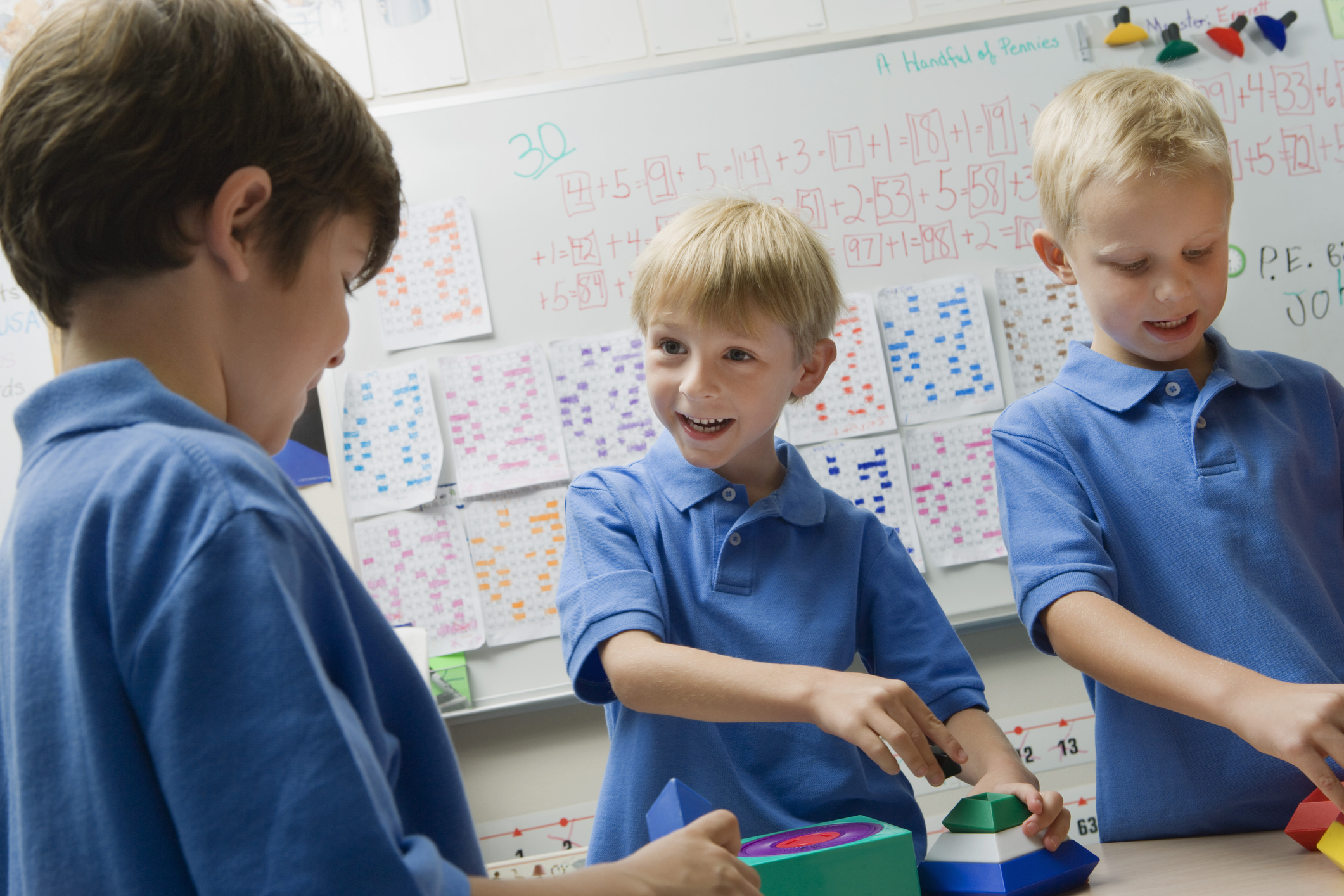
Sir is absent
Fewer than one in seven of Europe’s primary teachers is a man. Governments want to recruit many more of them, but fail to find them.
In April of last year, while what often appeared to be the whole of the United Kingdom, or the part of it with a Netflix subscription at least, was still talking about the landmark series Adolescence, the country’s then education secretary, Bridget Phillipson, told the Children’s Commission’s Festival of Childhood that more men should become teachers. Since 201
0
5
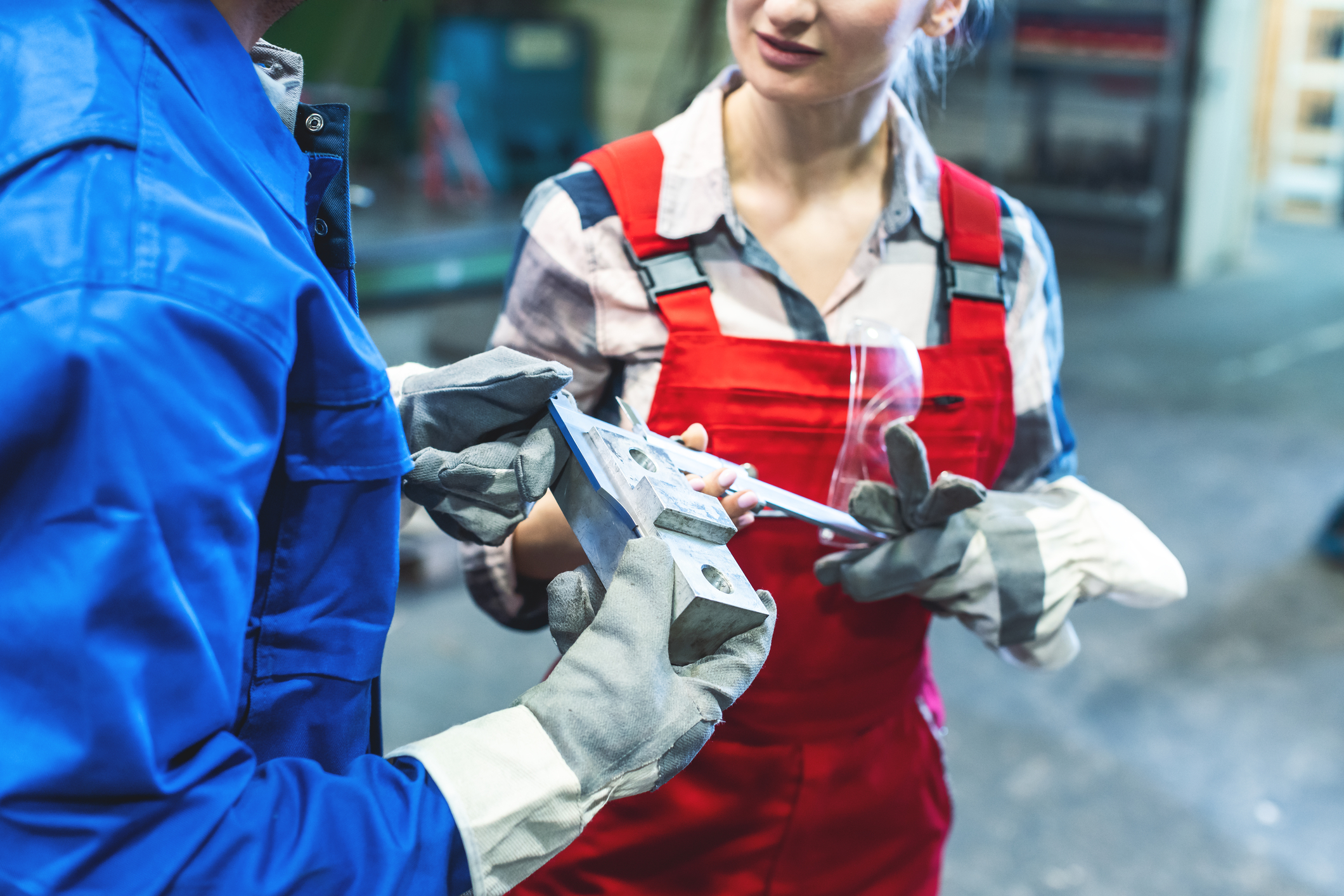
Working harder at the wrong thing
The Last Word: When competitiveness is beginning to slip, asking people to work harder can actually look suspiciously like moving backwards.
Germany has spent much of the past few decades as shorthand for industrial discipline: excellent engineering, productive factories and an economy built around making complicated things very well. So there is something jarring about the latest prescription for its automotive troubles. With Volkswagen restructuring and German manufacturers under pressure,
0
6

Rethinking… Net zero
Net zero began as a description of the planet’s carbon budget. It now describes jobs, buildings, and growth, and means less with every year.
Net zero. It’s a phrase that has become popular to the point of being overused and, perhaps, losing any real meaning. It can stand alone, or, more commonly, precede something else, from net zero growth to net zero jobs, from net zero vehicles to net zero homes. It’s a phrase that environmentalists love, climate sceptics less so. Regardless of our politic
0
8
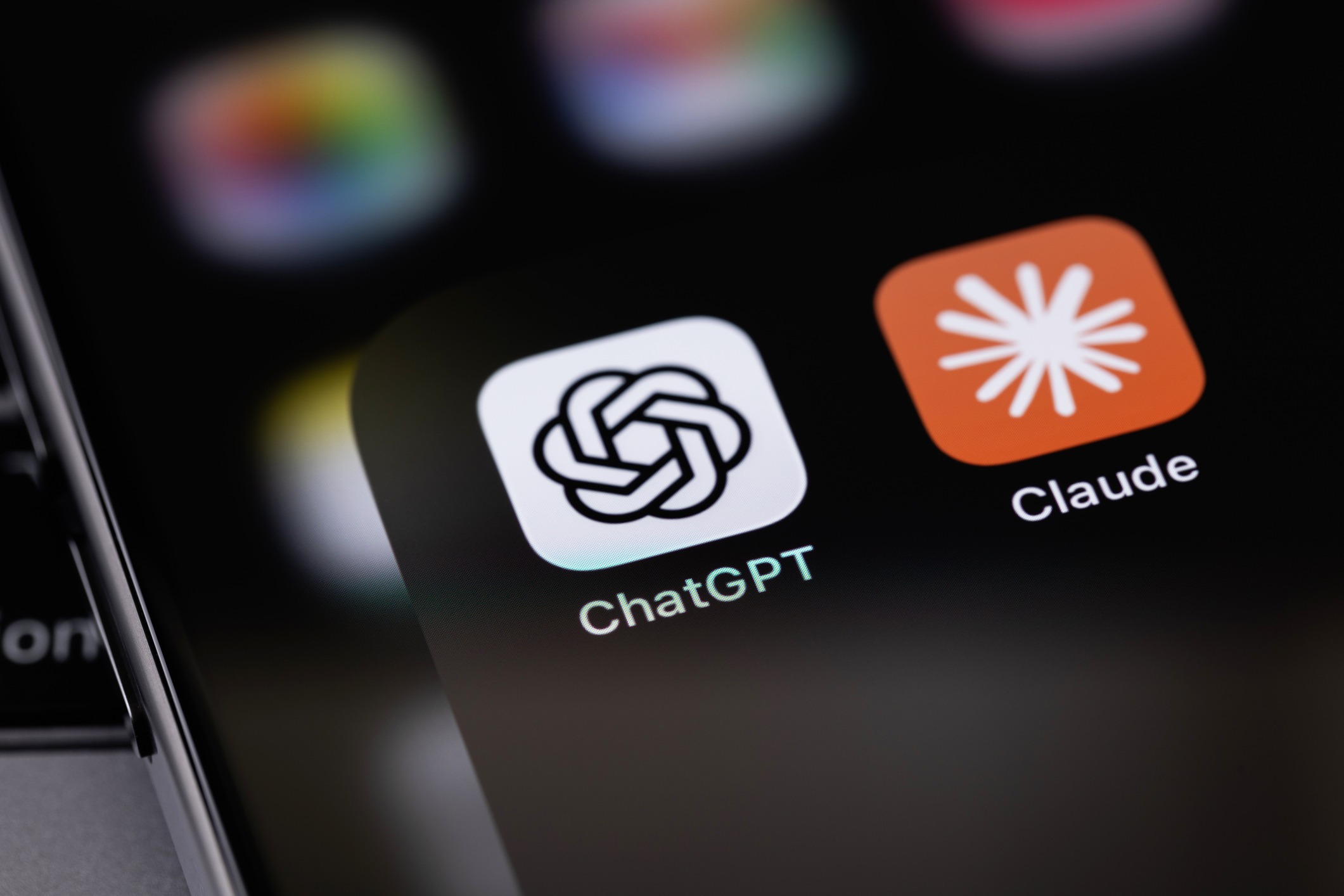
Ads infinitum
OpenAI is putting ads in ChatGPT and Anthropic will not touch them. It is hardly a reinvention, yet ads never stopped anyone using Google.
Artificial intelligence is a powerhouse of reinvention, or so we’ve been told. AI is reinventing drug discovery, the battery, the operating system of work, home appraisals, shops, and even the Olympic Games. It remains to be seen how much of this reinvention is anything of the sort, and whether or not AI simply makes things more efficient, or perhaps mer
0
8

From excitement to exclusion
What happens when leaders drop the questioner.
The initiative had a name, a budget and a room of nodding executives. Then someone asked what happens to the data in year three.
By the next meeting, that person was not on the invitation list.
That meeting is a composite. The sequence in it is not: excitement, a question, then exclusion. Nobody announces the removal. There is no conversation, no performance note, no moment anyone can point to afterward. An invite goes out with one fewer na
0
6
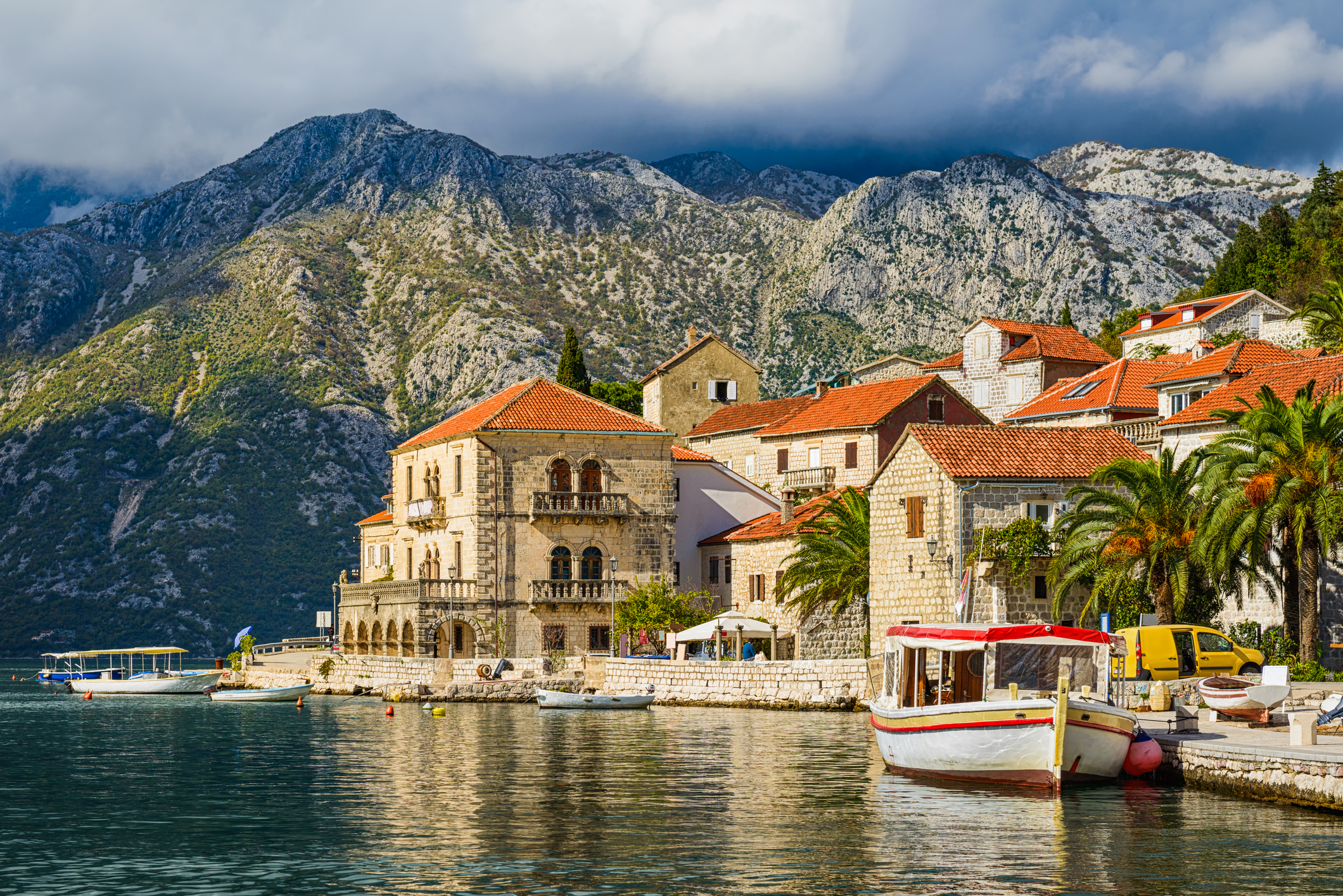
Why Montenegro matters more to Europe than its size suggests
After Iceland’s European Union referendum, the bloc’s next big enlargement test lies on the Adriatic, where delay carries a strategic cost.
Iceland’s rejection of renewed EU accession talks will not push the country out of Europe. Iceland already belongs to the European Economic Area and the Schengen zone. It has access to the Single Market, applies much EU law and can afford to keep the political part of membership at arm’s length.
Montenegro is in the opposite position. It does not want
0
7
Integrating Africa
A competitive Africa requires functional institutions and modern technology. Not just declarations of intent, but implementation capacity.
Africa trades as much as East Asia relative to GDP but without the structural transformation. The problem lies not just in the volume of trade, but in its composition and direction: exports remain concentrated in raw commodities destined for external markets, while intra-African trade—more diversified and more manufacturing-intensive—accounts for only 15
0
11
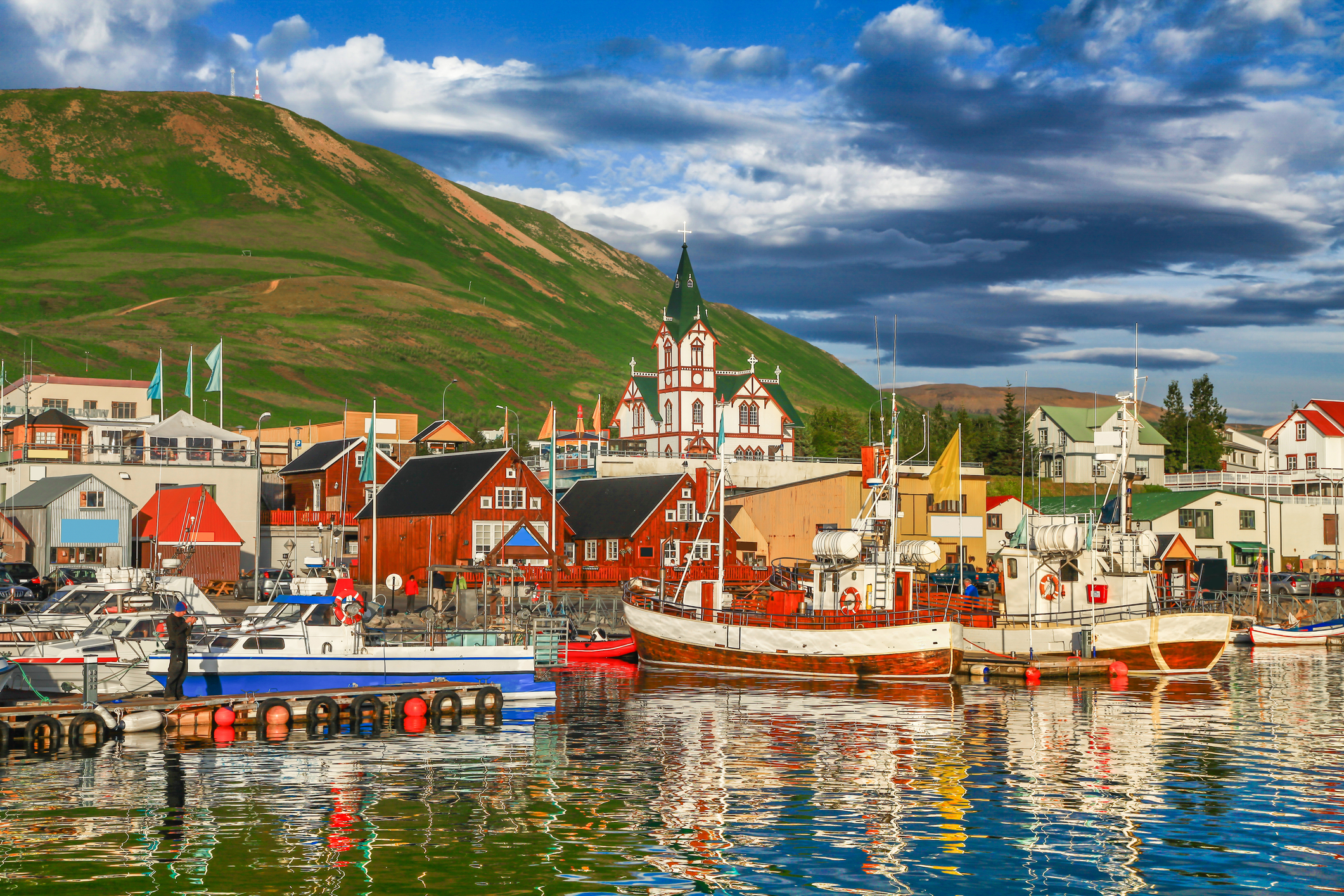
Cold comfort
Reykjavik wants the market without the politics. So do Europe’s wealthiest hold-outs, and Britain, above all, ought to be taking note.
So Iceland will not be joining the European Union anytime soon. Voters on the North Atlantic island decided against resuming accession talks at the weekend, talks which have been on hold since 2013. The result changes little for Iceland’s people, given that the country already enjoys full access to the EU’s Single Market, and is a member of the Schengen passpo
0
6
The future will not fit your risk register
The Last Word: When disruption multiplies faster than organisations can catalogue it, the advantage shifts from predicti
0
2
Albania’s start-up moment
The founders have chosen to stay and build. What they need now is early-stage money and enough contact with the people w
0
2
Why Central Europe’s innovators need EU Inc.
The proposed pan-European corporate form could free Central Europe’s start-ups from disguising their origins behind West
0
0
Ground control
Governments are pouring record public sums into space. But the returns, and above all the rockets, still belong mostly t
0
0
When the old title no longer fits
The Last Word: A longer life will require more than one version of you, and the judgement to know which of the older one
0
0
Covid’s populist legacy
Covid faded, the politics it fed did not. The populist parties that rode the pandemic dropped the vaccine talk but have
0
0
Why accurate CO2 reporting is becoming a strategic priority for European businesses
With stakeholders demanding measurable progress, accurate CO2 reporting is now fundamental to remaining competitive.
0
0
Reading the room
Teenagers read worse than they did, the newest PISA scores find. Ban their social media if you like; the adults, who vot
0
0
Broken links
Firms worked hard to make their supply chains greener. The more urgent threat is the weather now breaking them, and few
0
0
How to unite a country
Germany showed the world what reuniting a country costs. For Moldova, the road west through Brussels looks cheaper and c
0
0
Beyond the AI race
How BRICS is helping the Global South harness technology to deliver better healthcare, protect livelihoods, and strength
0
6
AI + 4IR: Ambitions and options for CEE
Artificial intelligence is the technology of the moment, and Central and Eastern Europe can meet it as eleven competitor
0
8
Sir is absent
Fewer than one in seven of Europe’s primary teachers is a man. Governments want to recruit many more of them, but fail t
0
5
Working harder at the wrong thing
The Last Word: When competitiveness is beginning to slip, asking people to work harder can actually look suspiciously li
0
6
Rethinking… Net zero
Net zero began as a description of the planet’s carbon budget. It now describes jobs, buildings, and growth, and means l
0
8
Ads infinitum
OpenAI is putting ads in ChatGPT and Anthropic will not touch them. It is hardly a reinvention, yet ads never stopped an
0
8
From excitement to exclusion
What happens when leaders drop the questioner.
The initiative had a name, a budget and a room of nodding executives.
0
6
Why Montenegro matters more to Europe than its size suggests
After Iceland’s European Union referendum, the bloc’s next big enlargement test lies on the Adriatic, where delay carrie
0
7
The future will not fit your risk register
The Last Word: When disruption multiplies faster than organisations can catalogue it, the advantage shifts from predicting what comes next to being able to move when it arrives.
If 2026 already feels volatile, keep some space on the risk register. The years ahead are unlikely to become more obliging. Geopolitical fragmentation, cyber insecurity, climate volatility, technological disruption and social polarisation no longer arrive neatly, one after another. They overlap, interact and amplify e
0
2 👁
Albania’s start-up moment
The founders have chosen to stay and build. What they need now is early-stage money and enough contact with the people who fund such things.
Something is unfolding in co-working spaces in Tirana, in university labs, and among young founders building products for a global market. It’s a start-up ecosystem finding its feet, and it deserves more attention than it’s getting.
The fundamentals are stronger than people assume. Albania has a young, tech-literate population, competitive costs, and
0
2 👁
Why Central Europe’s innovators need EU Inc.
The proposed pan-European corporate form could free Central Europe’s start-ups from disguising their origins behind Western-sounding brands.
When the European Commission tabled its proposal for a 28th corporate regime in March—a new company form officially branded ‘EU Inc.—it sparked the usual pushback. In Brussels, the debate quickly became bogged down in fears over labour rights and administrative harmonisation. Seen from Warsaw, Bucharest or Prague, however, the picture looks entirely diff
0
0 👁
Ground control
Governments are pouring record public sums into space. But the returns, and above all the rockets, still belong mostly to America and China.
Space may well be the final frontier, but there’s money to be made on Earth, too, and a lot of that is public money. Governments around the world made a global public investment of 119 billion euros in the sector last year, according to the European Space Agency (ESA). The upstream market, focusing on spacecraft manufacturing and launch service provision
0
0 👁
When the old title no longer fits
The Last Word: A longer life will require more than one version of you, and the judgement to know which of the older ones are worth keeping.
A new white paper from Henley Business School starts with a simple premise: working lives can now easily stretch across six decades. Based on interviews with people aged between 19 and 86, it found something else worth paying attention to. When it came to attitudes towards new technology, professional identity was a stronger predictor than age. In other
0
0 👁
Covid’s populist legacy
Covid faded, the politics it fed did not. The populist parties that rode the pandemic dropped the vaccine talk but have all outlasted it.
When Lady Evelyn Beauchamp died in 1980, aged 79, following a series of strokes, there were plenty of conspiracy theorists on hand to declare that the curse of Tutankhamun had struck again. Some 58 years previous, aged just 21, Lady Evelyn, along with her father the Earl of Carnarvon and the archaeologist Howard Carter, had been the first people in moder
0
0 👁
Why accurate CO2 reporting is becoming a strategic priority for European businesses
With stakeholders demanding measurable progress, accurate CO2 reporting is now fundamental to remaining competitive.
With climate change shaping global policy and business landscapes, the accurate measurement of carbon emissions has become essential for European companies.
Increasingly, organisations are seeking comprehensive CO2 reporting tools and strategies, not just to comply with regulations but also to gain operational and reputational advantages. As we move further into a net-zero e
0
0 👁
Reading the room
Teenagers read worse than they did, the newest PISA scores find. Ban their social media if you like; the adults, who vote, fare no better.
Amidst a deluge of short-form video content across so many different social media channels, content which these days can cover anything from politics to food, sport to travel, dating advice to film reviews, can anyone still be bothered to actually read anything? The evidence put forward by the latest results of the Organisation for Economic Co-operation
0
0 👁
Broken links
Firms worked hard to make their supply chains greener. The more urgent threat is the weather now breaking them, and few have a plan for it.
Nearly nine in ten (87 per cent) of pharmaceutical companies across the G7 expect climate-related disruption to their medicines supply chains to increase in the years ahead, according to research from the British Standards Institution (BSI). A rather different kind of remedy, coffee, faces climate change-linked supply gaps of up to 30 per cent in Western
0
0 👁
How to unite a country
Germany showed the world what reuniting a country costs. For Moldova, the road west through Brussels looks cheaper and considerably safer.
It’s often said that the Berlin Wall fell by accident, the result of Günter Schabowski, the unofficial spokesperson of East Germany’s ruling Socialist Unity party (SED), saying at a press conference early on the evening of November 9, 1989, that East German citizens could travel abroad without having to meet the previously onerous (and often impossible) re
0
0 👁
Beyond the AI race
How BRICS is helping the Global South harness technology to deliver better healthcare, protect livelihoods, and strengthen food security.
Artificial intelligence is advancing at a breathtaking pace. Countries and companies are racing to build more powerful models and push the boundaries of what machines can do.
But for much of the Global South, the more immediate question is a different one: How can AI help solve problems that affect people’s lives today?
The answer may not always l
0
6 👁
AI + 4IR: Ambitions and options for CEE
Artificial intelligence is the technology of the moment, and Central and Eastern Europe can meet it as eleven competitors or as one region.
Artificial intelligence (AI) is becoming a key engine driving the machine of the Fourth Industrial Revolution (4IR). The driver still matters, which means that Central and Eastern Europe now has to decide which direction it wants to take. This is not just an overwrought metaphor; it separates a region that treats AI as a fashionable chapter of technology
0
8 👁
Sir is absent
Fewer than one in seven of Europe’s primary teachers is a man. Governments want to recruit many more of them, but fail to find them.
In April of last year, while what often appeared to be the whole of the United Kingdom, or the part of it with a Netflix subscription at least, was still talking about the landmark series Adolescence, the country’s then education secretary, Bridget Phillipson, told the Children’s Commission’s Festival of Childhood that more men should become teachers. Since 201
0
5 👁
Working harder at the wrong thing
The Last Word: When competitiveness is beginning to slip, asking people to work harder can actually look suspiciously like moving backwards.
Germany has spent much of the past few decades as shorthand for industrial discipline: excellent engineering, productive factories and an economy built around making complicated things very well. So there is something jarring about the latest prescription for its automotive troubles. With Volkswagen restructuring and German manufacturers under pressure,
0
6 👁
Rethinking… Net zero
Net zero began as a description of the planet’s carbon budget. It now describes jobs, buildings, and growth, and means less with every year.
Net zero. It’s a phrase that has become popular to the point of being overused and, perhaps, losing any real meaning. It can stand alone, or, more commonly, precede something else, from net zero growth to net zero jobs, from net zero vehicles to net zero homes. It’s a phrase that environmentalists love, climate sceptics less so. Regardless of our politic
0
8 👁
Ads infinitum
OpenAI is putting ads in ChatGPT and Anthropic will not touch them. It is hardly a reinvention, yet ads never stopped anyone using Google.
Artificial intelligence is a powerhouse of reinvention, or so we’ve been told. AI is reinventing drug discovery, the battery, the operating system of work, home appraisals, shops, and even the Olympic Games. It remains to be seen how much of this reinvention is anything of the sort, and whether or not AI simply makes things more efficient, or perhaps mer
0
8 👁
From excitement to exclusion
What happens when leaders drop the questioner.
The initiative had a name, a budget and a room of nodding executives. Then someone asked what happens to the data in year three.
By the next meeting, that person was not on the invitation list.
That meeting is a composite. The sequence in it is not: excitement, a question, then exclusion. Nobody announces the removal. There is no conversation, no performance note, no moment anyone can point to afterward. An invite goes out with one fewer na
0
6 👁
Why Montenegro matters more to Europe than its size suggests
After Iceland’s European Union referendum, the bloc’s next big enlargement test lies on the Adriatic, where delay carries a strategic cost.
Iceland’s rejection of renewed EU accession talks will not push the country out of Europe. Iceland already belongs to the European Economic Area and the Schengen zone. It has access to the Single Market, applies much EU law and can afford to keep the political part of membership at arm’s length.
Montenegro is in the opposite position. It does not want
0
7 👁
Integrating Africa
A competitive Africa requires functional institutions and modern technology. Not just declarations of intent, but implementation capacity.
Africa trades as much as East Asia relative to GDP but without the structural transformation. The problem lies not just in the volume of trade, but in its composition and direction: exports remain concentrated in raw commodities destined for external markets, while intra-African trade—more diversified and more manufacturing-intensive—accounts for only 15
0
11 👁
Cold comfort
Reykjavik wants the market without the politics. So do Europe’s wealthiest hold-outs, and Britain, above all, ought to be taking note.
So Iceland will not be joining the European Union anytime soon. Voters on the North Atlantic island decided against resuming accession talks at the weekend, talks which have been on hold since 2013. The result changes little for Iceland’s people, given that the country already enjoys full access to the EU’s Single Market, and is a member of the Schengen passpo
0
6 👁
The future will not fit your risk register
The Last Word: When disruption multiplies faster than organisations can catalogue it, the advantage shifts from predicting what co…
💬 0
👁 2
Albania’s start-up moment
Emerging Europe · 4d ago
💬 0
👁 2
Why Central Europe’s innovators need EU Inc.
Emerging Europe · Sep 15, 2026
💬 0
👁 0
Ground control
Emerging Europe · Sep 14, 2026
💬 0
👁 0
When the old title no longer fits
Emerging Europe · Sep 13, 2026
Covid’s populist legacy
Emerging Europe · Sep 11, 2026
Why accurate CO2 reporting is becoming a strategic priority for European businesses
Emerging Europe · Sep 10, 2026
Reading the room
Emerging Europe · Sep 10, 2026
Broken links
Firms worked hard to make their supply chains greener. The more urgent threat is the weather now breaking them, and few have a pla…
💬 0
👁 0
How to unite a country
Emerging Europe · Sep 9, 2026
💬 0
👁 0
Beyond the AI race
Emerging Europe · Sep 8, 2026
💬 0
👁 6
AI + 4IR: Ambitions and options for CEE
Emerging Europe · Sep 8, 2026
💬 0
👁 8
Sir is absent
Emerging Europe · Sep 7, 2026
Working harder at the wrong thing
Emerging Europe · Sep 6, 2026
Rethinking… Net zero
Emerging Europe · Sep 4, 2026
Ads infinitum
Emerging Europe · Sep 3, 2026
From excitement to exclusion
What happens when leaders drop the questioner.
The initiative had a name, a budget and a room of nodding executives. Then someo…
💬 0
👁 6