The world premier source of original commentary
Latest Articles
Why Americans Are Wary of AI
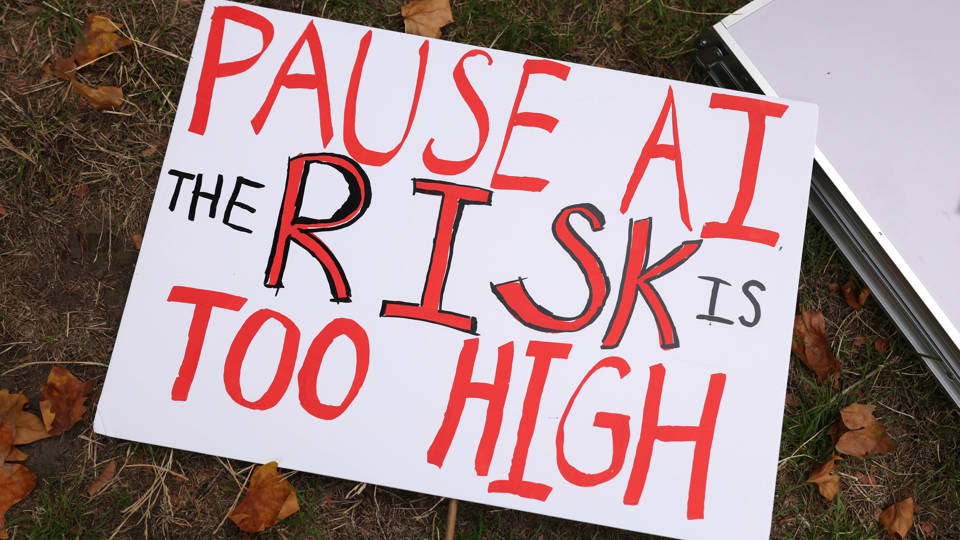
The tech industry is asking Americans to embrace AI at a moment when trust in government is declining. While these may seem like separate issues, persuading people to trust AI will be far more difficult if they do not trust the institutions responsible for regulating it.
0
2
Why the Gulf Needs Economic Ties with Iran
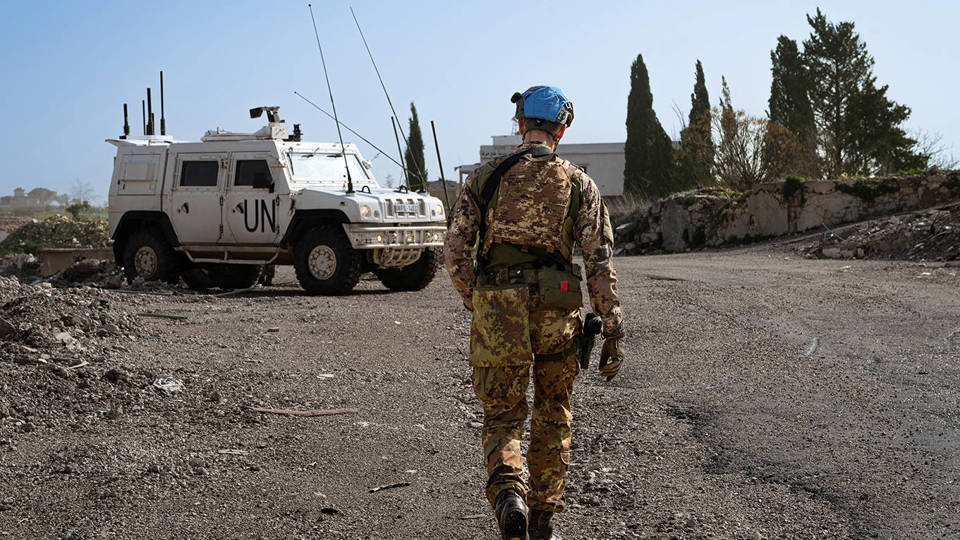
Most Gulf observers agree that the old security order is dying. But none of the most commonly proposed options—buying more advanced weapons, seeking protection from new partners in the Global South, or building stronger national militaries—is sufficient on its own.
0
3
The Right Way to Tackle Developing Countries’ Cancer Crisis
Some health advocates believe that weakening intellectual-property protections and capping prices for the most advanced cancer treatments would expand access in developing countries. But this well-intentioned argument overlooks an inescapable reality: without strong incentives for innovation, such treatments would not exist.
0
0
Enforce AI Guardrails Before It’s Too Late
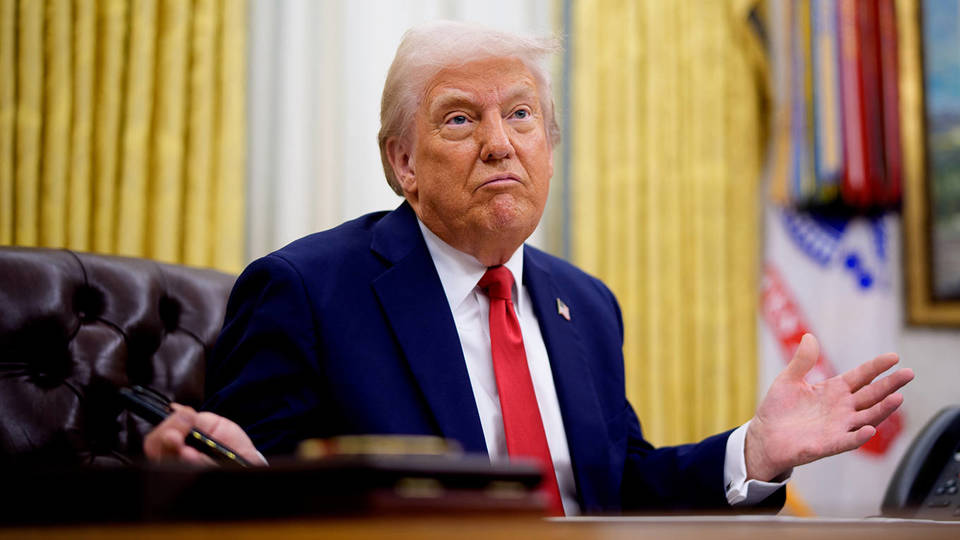
The Trump administration’s decision to impose export controls on Anthropic’s latest models is emblematic of the incoherent and shifting response from policymakers worldwide to the rapidly advancing AI sector. To ensure that these tools do not court disaster, governments must establish meaningful guardrails.
0
0
Is a European Single Market for Energy Such a Good Idea?
Although textbook microeconomics shows why less energy-market fragmentation would be better for Europe as a whole, that does not mean it would be a good deal for countries producing low-carbon electricity at minimal marginal cost. In fact, if more integration creates free riders, the political backlash could be profound.
0
0
China’s Failed Rebalancing
When China’s leaders first acknowledged the need to rebalance the economy nearly two decades ago, it seemed like a matter of when, not if. But with the household consumption share of Chinese GDP remaining stubbornly low, officials’ promises to boost domestic demand have lost all credibility.
0
3
Crowning a Healthy Populism
Although recent political mobilizations in Hungary, Albania, and other parts of Central and Eastern Europe could be described as populist and nationalist, they have little in common with the aggressive ethnonationalism that MAGA professes. Could they be a model for a new form of politics?
0
3
Why Rules-Based Orders Fail
For a brief period after the Cold War, Americans persuaded themselves that the liberal order had become self-sustaining. And yet, any rules-based system elaborate enough to govern and interpret its own operations will eventually confront questions that its rules cannot answer.
0
0
The Tide Is Turning Against Russia
With Ukraine reclaiming territory, mounting drone strikes deep in Russian territory, and draining Russia’s coffers, Vladimir Putin would do well to seek a negotiated freeze to the conflict. But there is no guarantee that he will, not least because he might not grasp the situation Russia is in.
0
0
Managing Sino-American Interdependence
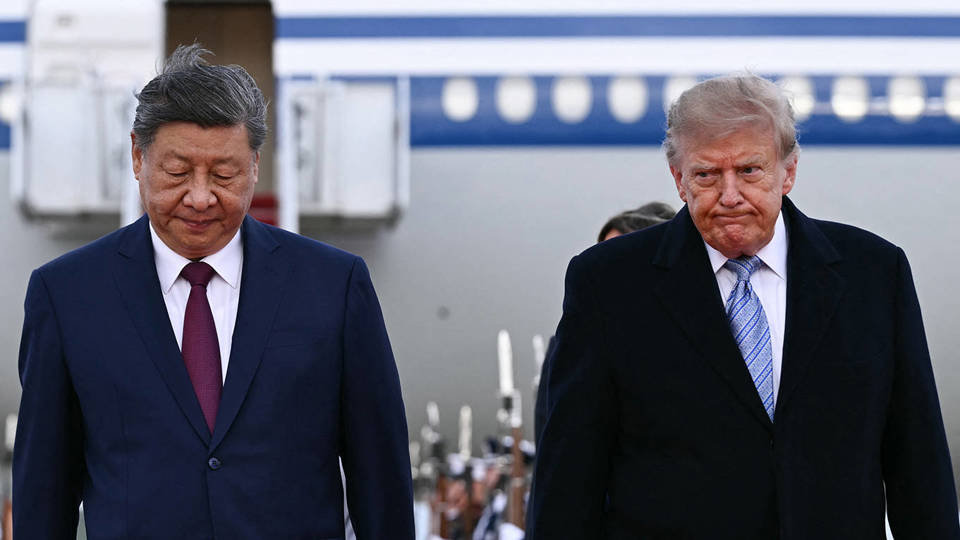
At their summit last month, US President Donald Trump and Chinese President Xi Jinping seemed to recognize that they are in the same boat. If either the United States or China tries to cripple or decouple from the other, it will harm its own firms, consumers, financial markets, and innovation ecosystem.
0
0
Who Gains in an AI-Supercharged Economy?
If AI delivers as promised and fundamentally transforms the economy, we will have moved from the current investment phase, where AI builders dominate, to one where AI users will reap the greatest reward. That is what happens every time an innovation becomes a general-purpose technology.
0
0
Development in a Time of Disruption
Once firms and economies ascend to market dominance, they often kick away the ladder behind them and erect barriers to market entry to stymie would-be challengers. But developing countries can and do leapfrog incumbent technologies, and conditions for doing so may be particularly favorable now.
0
0
Trump’s Un-American Capitalism
The current US administration's openly corrupt style of crony capitalism is the antithesis of the institutional foundation on which the US economy was built. The winners in the new oligarchic competition are not those who make the best products, but rather those who are best at flattering the mad king.
0
0
Can the Manchester Model Save Britain?
Following a decades-long effort to lay the foundations for economic dynamism, Greater Manchester has become the UK’s fastest-growing region. While the Manchester model cannot be precisely replicated at the national level, it does carry important lessons for outgoing Prime Minister Keir Starmer's likely successor.
0
0
How Trillionaires Are Really Made
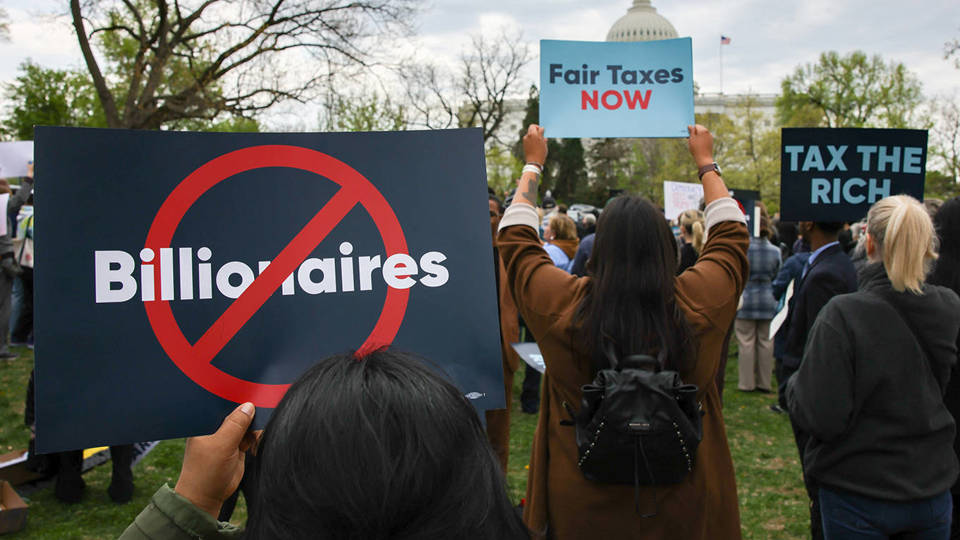
Some may argue that the world’s first trillionaire is a story of technological triumph and a win for American capitalism. But markets have not bet on cutting-edge technology or a company too big to fail, but rather on the idea of a mega-monopolist with wealth and influence so vast that the US government will not allow him to fail.
0
0
Cities Show How Climate Action Makes Life Better
Cities have shown that a combination of adaptation measures and energy efficiency can save lives, improve well-being, reduce energy costs, and create conditions for sustainable growth. A new partnership seeks to help mayors and city leaders scale up these efforts through technical and financial assistance.
0
0
The Myth of Global Chaos
Today’s seemingly nonstop international tumult is not as unintelligible as it seems. What pundits lazily describe as chaos is the culmination of developments that were long in the making and arrived at a time when the international system was no longer able to prevent or mitigate geopolitical shocks.
0
0
The Microfinance Debate Is Missing the Point
For too long, policymakers, economists, and investors have focused on whether microfinance actually helps people, reducing a complex issue to a meaningless yes-or-no verdict. The most important questions concern how loans are designed, delivered, and regulated, who receives them, and what they are used for.
0
0
Turning Latin America’s Resilience Into Growth
Economic stabilization has been a significant achievement for Latin America and the Caribbean, a region with a long history of financial crises. But these countries need a well-sequenced reform agenda to attract private investment and create the growth engine that will translate hard-won gains into higher living standards.
0
0
The World Cup vs. the Extremists
Germany’s 2026 World Cup team, like so many others in the tournament, shows that loving one’s country and welcoming newcomers are not incompatible impulses. Although activists on the far left and the far right would have us believe otherwise, most ordinary people implicitly recognize this.
0
0
Why Americans Are Wary of AI
The tech industry is asking Americans to embrace AI at a moment when trust in government is declining. While these may s
0
2
Why the Gulf Needs Economic Ties with Iran
Most Gulf observers agree that the old security order is dying. But none of the most commonly proposed options—buying mo
0
3
The Right Way to Tackle Developing Countries’ Cancer Crisis
Some health advocates believe that weakening intellectual-property protections and capping prices for the most advanced
0
0
Enforce AI Guardrails Before It’s Too Late
The Trump administration’s decision to impose export controls on Anthropic’s latest models is emblematic of the incohere
0
0
Is a European Single Market for Energy Such a Good Idea?
Although textbook microeconomics shows why less energy-market fragmentation would be better for Europe as a whole, that
0
0
China’s Failed Rebalancing
When China’s leaders first acknowledged the need to rebalance the economy nearly two decades ago, it seemed like a matte
0
3
Crowning a Healthy Populism
Although recent political mobilizations in Hungary, Albania, and other parts of Central and Eastern Europe could be desc
0
3
Why Rules-Based Orders Fail
For a brief period after the Cold War, Americans persuaded themselves that the liberal order had become self-sustaining.
0
0
The Tide Is Turning Against Russia
With Ukraine reclaiming territory, mounting drone strikes deep in Russian territory, and draining Russia’s coffers, Vlad
0
0
Managing Sino-American Interdependence
At their summit last month, US President Donald Trump and Chinese President Xi Jinping seemed to recognize that they are
0
0
Who Gains in an AI-Supercharged Economy?
If AI delivers as promised and fundamentally transforms the economy, we will have moved from the current investment phas
0
0
Development in a Time of Disruption
Once firms and economies ascend to market dominance, they often kick away the ladder behind them and erect barriers to m
0
0
Trump’s Un-American Capitalism
The current US administration's openly corrupt style of crony capitalism is the antithesis of the institutional foundati
0
0
Can the Manchester Model Save Britain?
Following a decades-long effort to lay the foundations for economic dynamism, Greater Manchester has become the UK’s fas
0
0
How Trillionaires Are Really Made
Some may argue that the world’s first trillionaire is a story of technological triumph and a win for American capitalism
0
0
Cities Show How Climate Action Makes Life Better
Cities have shown that a combination of adaptation measures and energy efficiency can save lives, improve well-being, re
0
0
The Myth of Global Chaos
Today’s seemingly nonstop international tumult is not as unintelligible as it seems. What pundits lazily describe as cha
0
0
The Microfinance Debate Is Missing the Point
For too long, policymakers, economists, and investors have focused on whether microfinance actually helps people, reduci
0
0
Why Americans Are Wary of AI
The tech industry is asking Americans to embrace AI at a moment when trust in government is declining. While these may seem like separate issues, persuading people to trust AI will be far more difficult if they do not trust the institutions responsible for regulating it.
0
2 👁
Why the Gulf Needs Economic Ties with Iran
Most Gulf observers agree that the old security order is dying. But none of the most commonly proposed options—buying more advanced weapons, seeking protection from new partners in the Global South, or building stronger national militaries—is sufficient on its own.
0
3 👁
The Right Way to Tackle Developing Countries’ Cancer Crisis
Some health advocates believe that weakening intellectual-property protections and capping prices for the most advanced cancer treatments would expand access in developing countries. But this well-intentioned argument overlooks an inescapable reality: without strong incentives for innovation, such treatments would not exist.
0
0 👁
Enforce AI Guardrails Before It’s Too Late
The Trump administration’s decision to impose export controls on Anthropic’s latest models is emblematic of the incoherent and shifting response from policymakers worldwide to the rapidly advancing AI sector. To ensure that these tools do not court disaster, governments must establish meaningful guardrails.
0
0 👁
Is a European Single Market for Energy Such a Good Idea?
Although textbook microeconomics shows why less energy-market fragmentation would be better for Europe as a whole, that does not mean it would be a good deal for countries producing low-carbon electricity at minimal marginal cost. In fact, if more integration creates free riders, the political backlash could be profound.
0
0 👁
China’s Failed Rebalancing
When China’s leaders first acknowledged the need to rebalance the economy nearly two decades ago, it seemed like a matter of when, not if. But with the household consumption share of Chinese GDP remaining stubbornly low, officials’ promises to boost domestic demand have lost all credibility.
0
3 👁
Crowning a Healthy Populism
Although recent political mobilizations in Hungary, Albania, and other parts of Central and Eastern Europe could be described as populist and nationalist, they have little in common with the aggressive ethnonationalism that MAGA professes. Could they be a model for a new form of politics?
0
3 👁
Why Rules-Based Orders Fail
For a brief period after the Cold War, Americans persuaded themselves that the liberal order had become self-sustaining. And yet, any rules-based system elaborate enough to govern and interpret its own operations will eventually confront questions that its rules cannot answer.
0
0 👁
The Tide Is Turning Against Russia
With Ukraine reclaiming territory, mounting drone strikes deep in Russian territory, and draining Russia’s coffers, Vladimir Putin would do well to seek a negotiated freeze to the conflict. But there is no guarantee that he will, not least because he might not grasp the situation Russia is in.
0
0 👁
Managing Sino-American Interdependence
At their summit last month, US President Donald Trump and Chinese President Xi Jinping seemed to recognize that they are in the same boat. If either the United States or China tries to cripple or decouple from the other, it will harm its own firms, consumers, financial markets, and innovation ecosystem.
0
0 👁
Who Gains in an AI-Supercharged Economy?
If AI delivers as promised and fundamentally transforms the economy, we will have moved from the current investment phase, where AI builders dominate, to one where AI users will reap the greatest reward. That is what happens every time an innovation becomes a general-purpose technology.
0
0 👁
Development in a Time of Disruption
Once firms and economies ascend to market dominance, they often kick away the ladder behind them and erect barriers to market entry to stymie would-be challengers. But developing countries can and do leapfrog incumbent technologies, and conditions for doing so may be particularly favorable now.
0
0 👁
Trump’s Un-American Capitalism
The current US administration's openly corrupt style of crony capitalism is the antithesis of the institutional foundation on which the US economy was built. The winners in the new oligarchic competition are not those who make the best products, but rather those who are best at flattering the mad king.
0
0 👁
Can the Manchester Model Save Britain?
Following a decades-long effort to lay the foundations for economic dynamism, Greater Manchester has become the UK’s fastest-growing region. While the Manchester model cannot be precisely replicated at the national level, it does carry important lessons for outgoing Prime Minister Keir Starmer's likely successor.
0
0 👁
How Trillionaires Are Really Made
Some may argue that the world’s first trillionaire is a story of technological triumph and a win for American capitalism. But markets have not bet on cutting-edge technology or a company too big to fail, but rather on the idea of a mega-monopolist with wealth and influence so vast that the US government will not allow him to fail.
0
0 👁
Cities Show How Climate Action Makes Life Better
Cities have shown that a combination of adaptation measures and energy efficiency can save lives, improve well-being, reduce energy costs, and create conditions for sustainable growth. A new partnership seeks to help mayors and city leaders scale up these efforts through technical and financial assistance.
0
0 👁
The Myth of Global Chaos
Today’s seemingly nonstop international tumult is not as unintelligible as it seems. What pundits lazily describe as chaos is the culmination of developments that were long in the making and arrived at a time when the international system was no longer able to prevent or mitigate geopolitical shocks.
0
0 👁
The Microfinance Debate Is Missing the Point
For too long, policymakers, economists, and investors have focused on whether microfinance actually helps people, reducing a complex issue to a meaningless yes-or-no verdict. The most important questions concern how loans are designed, delivered, and regulated, who receives them, and what they are used for.
0
0 👁
Turning Latin America’s Resilience Into Growth
Economic stabilization has been a significant achievement for Latin America and the Caribbean, a region with a long history of financial crises. But these countries need a well-sequenced reform agenda to attract private investment and create the growth engine that will translate hard-won gains into higher living standards.
0
0 👁
The World Cup vs. the Extremists
Germany’s 2026 World Cup team, like so many others in the tournament, shows that loving one’s country and welcoming newcomers are not incompatible impulses. Although activists on the far left and the far right would have us believe otherwise, most ordinary people implicitly recognize this.
0
0 👁
Why Americans Are Wary of AI
The tech industry is asking Americans to embrace AI at a moment when trust in government is declining. While these may seem like s…
💬 0
👁 2
Why the Gulf Needs Economic Ties with Iran
Project Syndicate · Jun 29, 2026
💬 0
👁 3
The Right Way to Tackle Developing Countries’ Cancer Crisis
Project Syndicate · Jun 29, 2026
💬 0
👁 0
Enforce AI Guardrails Before It’s Too Late
Project Syndicate · Jun 29, 2026
💬 0
👁 0

Is a European Single Market for Energy Such a Good Idea?
Project Syndicate · Jun 26, 2026

China’s Failed Rebalancing
Project Syndicate · Jun 26, 2026

Crowning a Healthy Populism
Project Syndicate · Jun 26, 2026

Why Rules-Based Orders Fail
Project Syndicate · Jun 26, 2026
The Tide Is Turning Against Russia
With Ukraine reclaiming territory, mounting drone strikes deep in Russian territory, and draining Russia’s coffers, Vladimir Putin…
💬 0
👁 0
Managing Sino-American Interdependence
Project Syndicate · Jun 25, 2026
💬 0
👁 0
Who Gains in an AI-Supercharged Economy?
Project Syndicate · Jun 25, 2026
💬 0
👁 0
Development in a Time of Disruption
Project Syndicate · Jun 25, 2026
💬 0
👁 0

Trump’s Un-American Capitalism
Project Syndicate · Jun 24, 2026

Can the Manchester Model Save Britain?
Project Syndicate · Jun 24, 2026

How Trillionaires Are Really Made
Project Syndicate · Jun 24, 2026

Cities Show How Climate Action Makes Life Better
Project Syndicate · Jun 24, 2026
The Myth of Global Chaos
Today’s seemingly nonstop international tumult is not as unintelligible as it seems. What pundits lazily describe as chaos is the …
💬 0
👁 0