Environmental news platform
Latest Articles
Squeezed by EU Rules and Threat of Illegal Mining, Cocoa Farmers in Ghana Face a Turning Point
As illegal gold mining destroys thousands of hectares of Ghanaian forest, a new EU deforestation law aims to clean up the chocolate supply chain. Yet with gold exempt from the same rules, experts warn the regulation risks overburdening smallholders while failing to stop environmental destruction.
—
At daybreak in Begoro, in Ghana’s Eastern Region, Sammy Takyi walks slowly between rows of young cocoa trees. The soil is still cool. Broad plantain leaves hang above the tender seedlings, filte
0
11
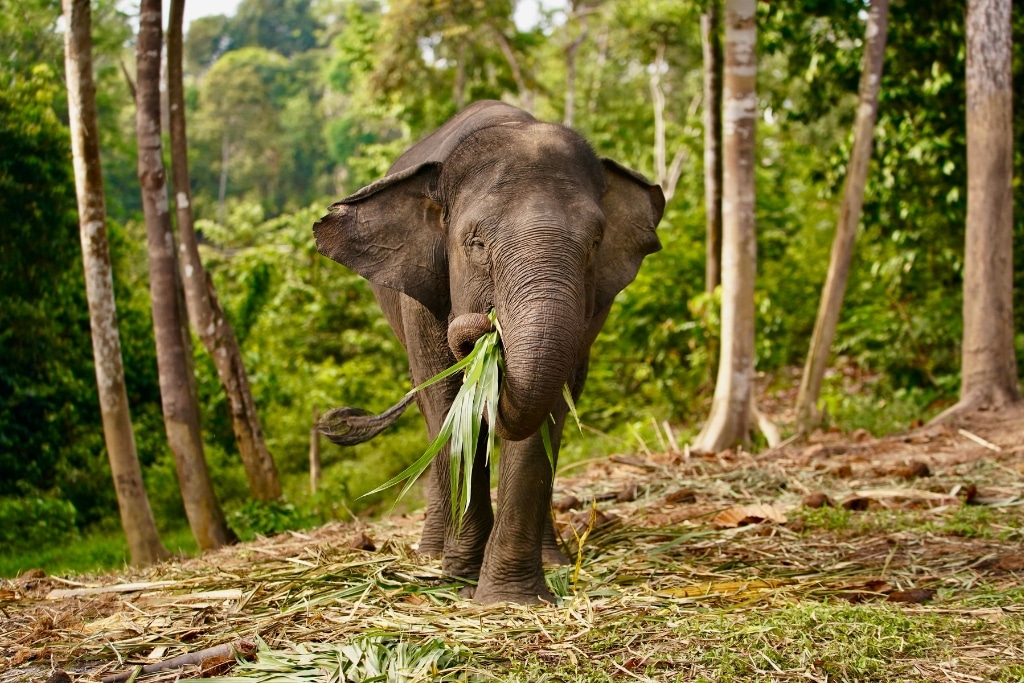
World Elephant Day: Why International Collaboration Is Key to Advancing Elephant Care
On World Elephant Day on August 12, Wildlife SOS is reminding the world that rescuing India’s captive elephants is only the first step.
—
The lifelong journey of healing requires constant innovation, collaboration and an unwavering commitment to exceptional care. As part of that commitment, Wildlife SOS has launched a long-term collaboration with McClure International Consulting (MIC), bringing together decades of hands-on rescue experience with internationally recognized expertise to furt
0
10
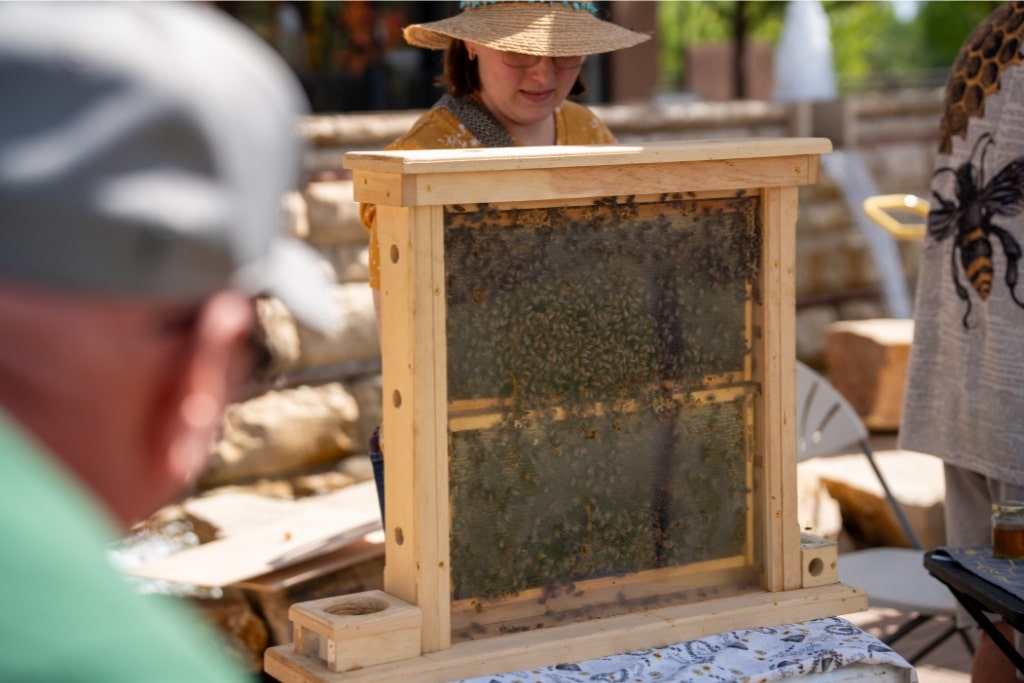
Can Development Reverse Pollinator Decline? Lessons from the World’s First Pollinator District
The Pollinator District framework is a community planning model that integrates pollinator habitat, native landscaping, sustainable design, research and public education into real estate development to support bees, butterflies and other critical species.
—
By Kyle Harris
Across North America, pollinator populations are in decline. Scientists continue to document the threat to bees, butterflies and other pollinators that support ecosystems, biodiversity and food production. A 2025 Natur
0
11
A Battery Made of Air? Hydropneumatic Energy Storage Takes Flight
Since the advent of modern renewables, producers have faced the question of how energy produced when the sun shines can be used when it doesn’t. Now, technical innovations are giving new life to an older storage technology that uses compressed air.
—
Skyrocketing energy demand sparked in large part by the construction of new data centers, along with massive solar and wind installations to power them, have created a booming market for energy storage. More than 112 gigawatts of energy storag
0
10
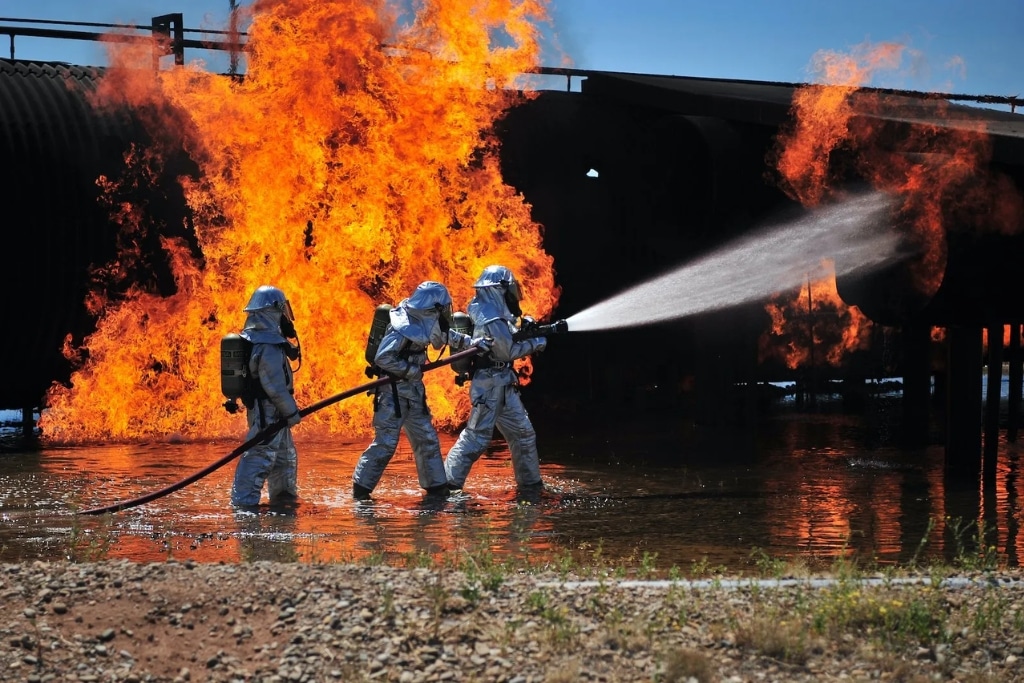
Decades of Using PFAS-Based Firefighting Foam Left Behind a Toxic Legacy
For decades, US service members and airport communities were exposed to cancer-causing “forever chemicals” – and the battle for cleanup is just beginning.
—
By Sharon Udasin and Andrea K. Gerlak
This article is part of a series exploring the dangers of PFAS, policy developments and how communities around the US are responding to the threat. Check out part 1: Inside the Citizen-Led Battle Against Toxic PFAS Injustice.
For decades, as US service members risked their li
0
13
Humanity Has Already Used Up Nature’s Entire Annual Budget of Ecological Resources and Services
July 30 is Earth Overshoot Day, which marks the date when humanity has exhausted nature’s budget for the year. It means that for the rest of the year, we are using resources beyond what our planet provides.
—
Today marks the day when humanity’s resource consumption exceeds the Earth’s capacity to regenerate those resources for the year, a reminder of how unsustainable modern consumption patterns are and how these are adding immense pressure to our planet’s ecosystems.
Earth Oversh
0
14
International Tiger Day: This Is What It Takes to Save the Sumatran Tiger
The Javan and Balinese tigers were both pushed to extinction in the 1900s – two tiger subspecies erased within a single human lifetime. The Sumatran tiger, clinging to the last fragments of rainforest on a single Indonesian island, could be next. This International Tiger Day, we look at what it will take to save the Sumatran tiger.
—
The current reality for Sumatran tigers is grim. They are classified as Critically Endangered, with less than 300 individuals remaining in the wild. The
0
15
Global Guidance on Wildlife Management Must Not Put a Stamp of Approval on Exploitative Practices
“Nairobi is about to host a meeting that flies under the radar for most people, yet its recommendations could shape how the world treats wild animals for years to come,” writes Jewel Omollo, Environmental Policy Officer, World Federation for Animals.
—
By Jewel Omollo
This week, governments, scientists, and observers are gathering in Nairobi for the 28th meeting of the Subsidiary Body on Scientific, Technical and Technological Advice (SBSTTA-28) – a technical, scientific, and technologi
0
13
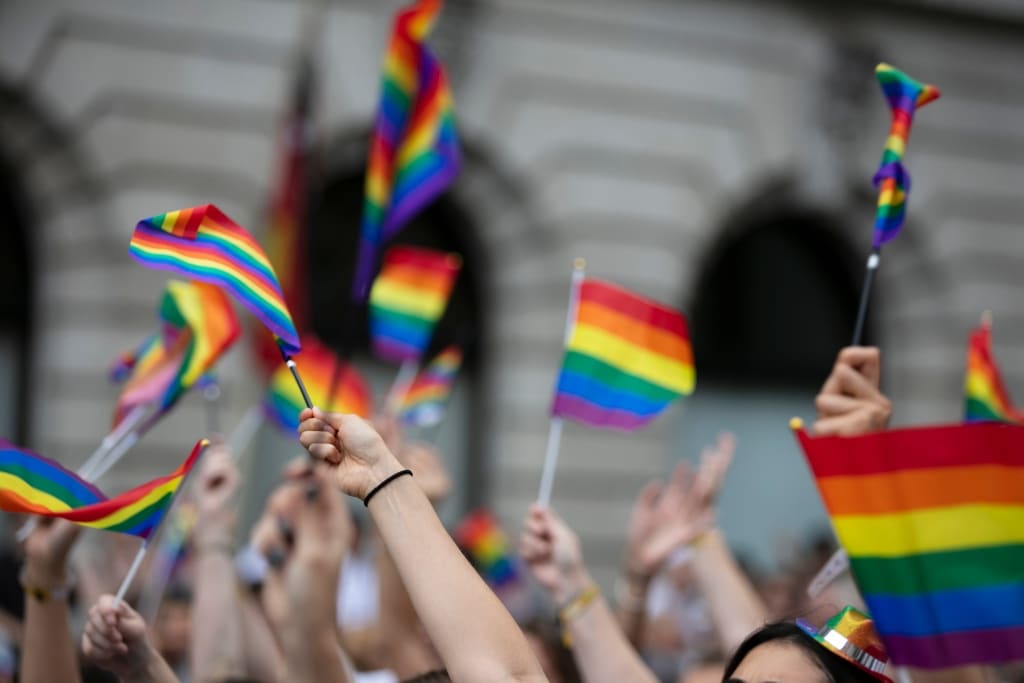
Building Resilience: How LGBTQ+ Leaders Are Fighting for Recognition in Climate Policy
Several LGBTQ+ groups are seeking to bring queer voices to the table at COP31 and beyond.
—
LGBTQ+ populations experience a differentiated impact from extreme weather events, according to Diego De Leon Segovia, Advocacy Chair for the activist group Out for Sustainability. “They are more vulnerable because of underlying conditions, like poverty, unemployment, and homelessness. This is particularly true for trans people and those with intersectional identities related to race, disa
0
15
Climate-Impacted Communities Across Asia Are Taking Their Fight To Court
As climate change-fueled extreme weather events batter Asia with increased frequency and intensity, communities in South Korea, the Philippines, India and Indonesia are increasingly turning to the courts to demand justice and accountability.
—
By Gaea Cabico
When Super Typhoon Rai – equivalent to a Category 5 hurricane – began battering Batasan Island in Bohol, Philippines, in December 2021, Trixy Elle and her husband, two children, and father waded into the storm, fearing they would b
0
15
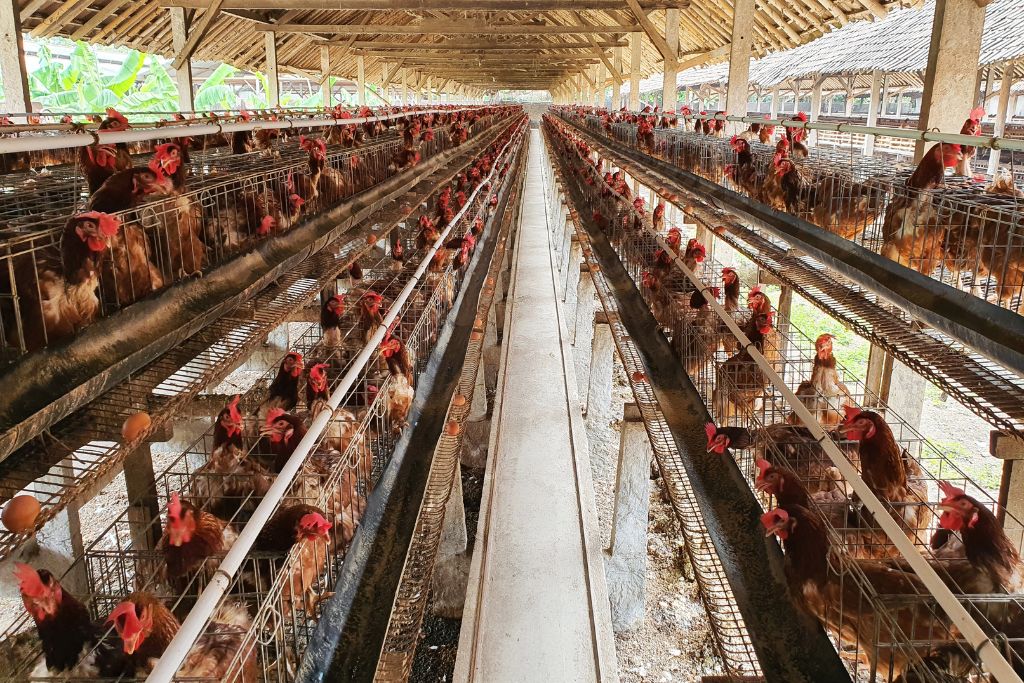
As Europe Roasts, the World’s Largest Meat Producer Ditches Net-Zero
“JBS argues that its business model is necessary to feed the world. We would argue that it is slowly killing the world,” writes Michelle Baxter Wickham, Head of Food Systems Strategy at World Animal Protection.
—
By Michelle Baxter Wickham
Earlier this month, JBS – the world’s largest meatpacking and factory farming company – scrapped its target to achieve net-zero greenhouse gas emissions across its entire operations by 2040.
The Brazilian company, which is now he
0
15
For Pregnant Women in Hong Kong, Extreme Heat Is a Silent Threat with No Warning
As climate change supercharges summers in Hong Kong and across Asia, pregnant women are enduring unprecedented heatwaves with virtually no warning from the medical systems designed to protect them. Despite clear clinical evidence linking rising ambient temperatures to miscarriage and preterm birth, a silence in antenatal clinics is leaving the region’s most vulnerable mothers entirely in the dark.
—
Siti is six months pregnant and riding out Hong Kong’s summer alone in a Sham Shui Po
0
14
World Population Day: We Shouldn’t Give Up on Slowing Population Growth
Just a few decades ago, slowing global population growth was an international policy priority. Nowadays, pundits and decision-makers are fretting about the fact that people are having smaller families – a development that, in the past, would have been heralded as welcome progress. But which side is right?
—
July 11 marks World Population Day, a day singing a light “on the urgency and importance of population issues,” and established by the United Nations in 1989. Back then, it was wi
0
4
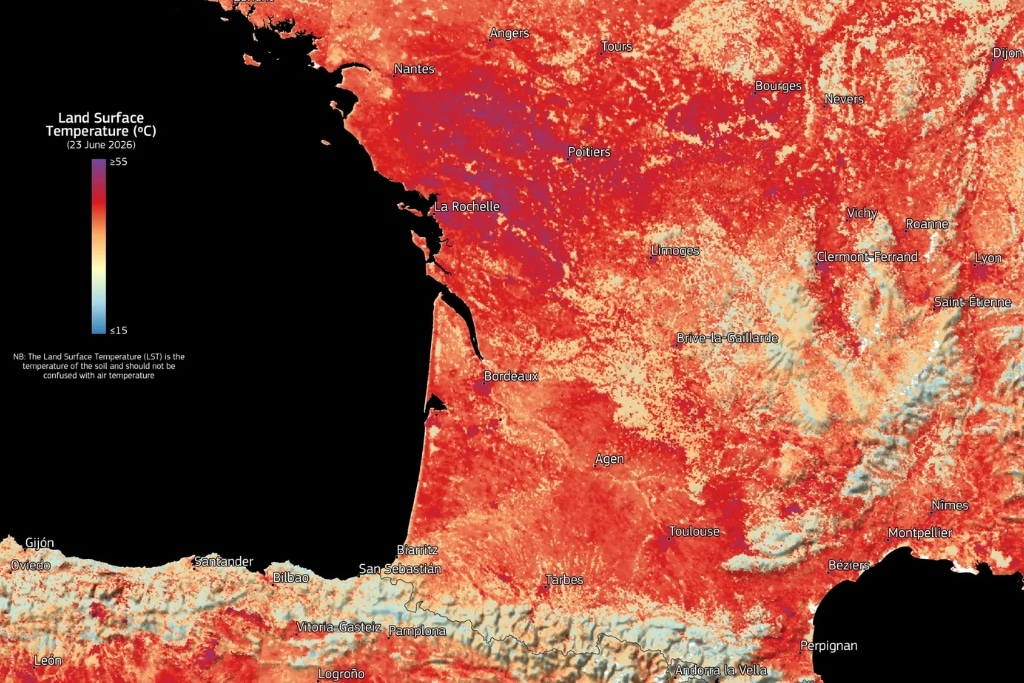
Western Europe Endures Hottest June on Record Amid Historic Heatwave
Globally, last month was the second-hottest June ever recorded.
—
Western Europe just endured its hottest June ever recorded owing to a record-breaking heatwave that afflicted much of the region during the latter part of the month, according to the European Union’s Copernicus Climate Change Service.
The strongest-ever heatwave to hit the region was the second in less than a month. Scientists said such a heatwave would have been “virtually impossible” just 40 years ago
0
14
Inside the Citizen-Led Battle Against Toxic PFAS Injustice
As federal regulations falter and “forever chemicals” continue to disproportionately impact disadvantaged fenceline communities, ordinary citizens are bypassing political gridlock to spearhead their own environmental justice movements.
—
By Sharon Udasin and Adriana A. Zuniga-Teran
Communities plagued by cancer-causing “forever chemicals” are coming together to advocate for themselves, amid historic environmental injustice and political neglect.
Met with disregard f
0
5
Silent Killer: How to Stay Safe in Extreme Heat
As climate change continues to intensify, heatwaves are becoming more frequent and severe, posing significant health risks to individuals and communities. Understanding how to stay safe during these extreme temperatures is crucial for protecting against heat-related illnesses. This article explores essential tips and strategies to keep cool and safe when the mercury rises, ensuring you can navigate the challenges of a heatwave effectively.
—
By Martina Igini
This article is part of an e
0
16
Why Did the EU Fail to Meet Its Target for Energy Communities?
The European Commission formally recognized energy communities as legal entities as part of the Clean Energy Package in 2019 and aimed to have at least one energy community in every municipality with a population of over 10,000 by 2025.
—
Hugo Niesing first moved to the eastern docklands in Amsterdam, the Netherlands, after buying a houseboat in 1989. There were around eight other houseboats next to his, and whenever one of them turned their generator on, the others would come with a plug
0
12
Invasive Species: How Concerned Should We Be?
The climate crisis and invasive species are often studied as two independent threats to global biodiversity. However, analyzing the relationships and feedback loops between them creates a more complete picture of how Earth’s natural systems are being changed and shaped by anthropogenic forces.
—
An invasive species is defined as a population of species that have become established, permanent residents, in an environment that is not their native one, causing ecological and economic harm. S
0
17
Silent Killer: How Cities Are Bracing For More Heat
Extreme heat, a direct cause of climate change, is spreading rapidly across the world, affecting billions of people. With scientists warning that further warming will increase the intensity, frequency and duration of heatwaves, cities have begun testing warning systems and other adaptive measures to keep individuals safe, with mixed results.
—
This article is part of an explainer series on extreme heat. Check out the other articles: Why Is Extreme Heat So Deadly? and How to Stay Safe
0
20
This Week in Climate News (June 2026, Week 4)
This weekly round-up brings you key climate news from the past seven days, including Europe’s record heatwave and an update on the US National Science Foundation’s dismantling of a key ocean observation system in the Atlantic and Pacific oceans.
—
1. Ongoing European Heatwave, Most Severe Ever Recorded, ‘Virtually Impossible’ 50 Years Ago: Study
A record-shattering, ongoing heatwave affecting much of Europe would have been virtually impossible just decades ago
0
17
Squeezed by EU Rules and Threat of Illegal Mining, Cocoa Farmers in Ghana Face a Turning Point
As illegal gold mining destroys thousands of hectares of Ghanaian forest, a new EU deforestation law aims to clean up th
0
11
World Elephant Day: Why International Collaboration Is Key to Advancing Elephant Care
On World Elephant Day on August 12, Wildlife SOS is reminding the world that rescuing India’s captive elephants is only
0
10
Can Development Reverse Pollinator Decline? Lessons from the World’s First Pollinator District
The Pollinator District framework is a community planning model that integrates pollinator habitat, native landscaping,
0
11
A Battery Made of Air? Hydropneumatic Energy Storage Takes Flight
Since the advent of modern renewables, producers have faced the question of how energy produced when the sun shines can
0
10
Decades of Using PFAS-Based Firefighting Foam Left Behind a Toxic Legacy
For decades, US service members and airport communities were exposed to cancer-causing “forever chemicals” –
0
13
Humanity Has Already Used Up Nature’s Entire Annual Budget of Ecological Resources and Services
July 30 is Earth Overshoot Day, which marks the date when humanity has exhausted nature’s budget for the year. It means
0
14
International Tiger Day: This Is What It Takes to Save the Sumatran Tiger
The Javan and Balinese tigers were both pushed to extinction in the 1900s – two tiger subspecies erased within a single
0
15
Global Guidance on Wildlife Management Must Not Put a Stamp of Approval on Exploitative Practices
“Nairobi is about to host a meeting that flies under the radar for most people, yet its recommendations could shape how
0
13
Building Resilience: How LGBTQ+ Leaders Are Fighting for Recognition in Climate Policy
Several LGBTQ+ groups are seeking to bring queer voices to the table at COP31 and beyond.
—
LGBTQ+ populations
0
15
Climate-Impacted Communities Across Asia Are Taking Their Fight To Court
As climate change-fueled extreme weather events batter Asia with increased frequency and intensity, communities in South
0
15
As Europe Roasts, the World’s Largest Meat Producer Ditches Net-Zero
“JBS argues that its business model is necessary to feed the world. We would argue that it is slowly killing the w
0
15
For Pregnant Women in Hong Kong, Extreme Heat Is a Silent Threat with No Warning
As climate change supercharges summers in Hong Kong and across Asia, pregnant women are enduring unprecedented heatwaves
0
14
World Population Day: We Shouldn’t Give Up on Slowing Population Growth
Just a few decades ago, slowing global population growth was an international policy priority. Nowadays, pundits and dec
0
4
Western Europe Endures Hottest June on Record Amid Historic Heatwave
Globally, last month was the second-hottest June ever recorded.
—
Western Europe just endured its hottest June eve
0
14
Inside the Citizen-Led Battle Against Toxic PFAS Injustice
As federal regulations falter and “forever chemicals” continue to disproportionately impact disadvantaged fe
0
5
Silent Killer: How to Stay Safe in Extreme Heat
As climate change continues to intensify, heatwaves are becoming more frequent and severe, posing significant health ris
0
16
Why Did the EU Fail to Meet Its Target for Energy Communities?
The European Commission formally recognized energy communities as legal entities as part of the Clean Energy Package in
0
12
Invasive Species: How Concerned Should We Be?
The climate crisis and invasive species are often studied as two independent threats to global biodiversity. However, an
0
17
Squeezed by EU Rules and Threat of Illegal Mining, Cocoa Farmers in Ghana Face a Turning Point
As illegal gold mining destroys thousands of hectares of Ghanaian forest, a new EU deforestation law aims to clean up the chocolate supply chain. Yet with gold exempt from the same rules, experts warn the regulation risks overburdening smallholders while failing to stop environmental destruction.
—
At daybreak in Begoro, in Ghana’s Eastern Region, Sammy Takyi walks slowly between rows of young cocoa trees. The soil is still cool. Broad plantain leaves hang above the tender seedlings, filte
0
11 👁
World Elephant Day: Why International Collaboration Is Key to Advancing Elephant Care
On World Elephant Day on August 12, Wildlife SOS is reminding the world that rescuing India’s captive elephants is only the first step.
—
The lifelong journey of healing requires constant innovation, collaboration and an unwavering commitment to exceptional care. As part of that commitment, Wildlife SOS has launched a long-term collaboration with McClure International Consulting (MIC), bringing together decades of hands-on rescue experience with internationally recognized expertise to furt
0
10 👁
Can Development Reverse Pollinator Decline? Lessons from the World’s First Pollinator District
The Pollinator District framework is a community planning model that integrates pollinator habitat, native landscaping, sustainable design, research and public education into real estate development to support bees, butterflies and other critical species.
—
By Kyle Harris
Across North America, pollinator populations are in decline. Scientists continue to document the threat to bees, butterflies and other pollinators that support ecosystems, biodiversity and food production. A 2025 Natur
0
11 👁
A Battery Made of Air? Hydropneumatic Energy Storage Takes Flight
Since the advent of modern renewables, producers have faced the question of how energy produced when the sun shines can be used when it doesn’t. Now, technical innovations are giving new life to an older storage technology that uses compressed air.
—
Skyrocketing energy demand sparked in large part by the construction of new data centers, along with massive solar and wind installations to power them, have created a booming market for energy storage. More than 112 gigawatts of energy storag
0
10 👁
Decades of Using PFAS-Based Firefighting Foam Left Behind a Toxic Legacy
For decades, US service members and airport communities were exposed to cancer-causing “forever chemicals” – and the battle for cleanup is just beginning.
—
By Sharon Udasin and Andrea K. Gerlak
This article is part of a series exploring the dangers of PFAS, policy developments and how communities around the US are responding to the threat. Check out part 1: Inside the Citizen-Led Battle Against Toxic PFAS Injustice.
For decades, as US service members risked their li
0
13 👁
Humanity Has Already Used Up Nature’s Entire Annual Budget of Ecological Resources and Services
July 30 is Earth Overshoot Day, which marks the date when humanity has exhausted nature’s budget for the year. It means that for the rest of the year, we are using resources beyond what our planet provides.
—
Today marks the day when humanity’s resource consumption exceeds the Earth’s capacity to regenerate those resources for the year, a reminder of how unsustainable modern consumption patterns are and how these are adding immense pressure to our planet’s ecosystems.
Earth Oversh
0
14 👁
International Tiger Day: This Is What It Takes to Save the Sumatran Tiger
The Javan and Balinese tigers were both pushed to extinction in the 1900s – two tiger subspecies erased within a single human lifetime. The Sumatran tiger, clinging to the last fragments of rainforest on a single Indonesian island, could be next. This International Tiger Day, we look at what it will take to save the Sumatran tiger.
—
The current reality for Sumatran tigers is grim. They are classified as Critically Endangered, with less than 300 individuals remaining in the wild. The
0
15 👁
Global Guidance on Wildlife Management Must Not Put a Stamp of Approval on Exploitative Practices
“Nairobi is about to host a meeting that flies under the radar for most people, yet its recommendations could shape how the world treats wild animals for years to come,” writes Jewel Omollo, Environmental Policy Officer, World Federation for Animals.
—
By Jewel Omollo
This week, governments, scientists, and observers are gathering in Nairobi for the 28th meeting of the Subsidiary Body on Scientific, Technical and Technological Advice (SBSTTA-28) – a technical, scientific, and technologi
0
13 👁
Building Resilience: How LGBTQ+ Leaders Are Fighting for Recognition in Climate Policy
Several LGBTQ+ groups are seeking to bring queer voices to the table at COP31 and beyond.
—
LGBTQ+ populations experience a differentiated impact from extreme weather events, according to Diego De Leon Segovia, Advocacy Chair for the activist group Out for Sustainability. “They are more vulnerable because of underlying conditions, like poverty, unemployment, and homelessness. This is particularly true for trans people and those with intersectional identities related to race, disa
0
15 👁
Climate-Impacted Communities Across Asia Are Taking Their Fight To Court
As climate change-fueled extreme weather events batter Asia with increased frequency and intensity, communities in South Korea, the Philippines, India and Indonesia are increasingly turning to the courts to demand justice and accountability.
—
By Gaea Cabico
When Super Typhoon Rai – equivalent to a Category 5 hurricane – began battering Batasan Island in Bohol, Philippines, in December 2021, Trixy Elle and her husband, two children, and father waded into the storm, fearing they would b
0
15 👁
As Europe Roasts, the World’s Largest Meat Producer Ditches Net-Zero
“JBS argues that its business model is necessary to feed the world. We would argue that it is slowly killing the world,” writes Michelle Baxter Wickham, Head of Food Systems Strategy at World Animal Protection.
—
By Michelle Baxter Wickham
Earlier this month, JBS – the world’s largest meatpacking and factory farming company – scrapped its target to achieve net-zero greenhouse gas emissions across its entire operations by 2040.
The Brazilian company, which is now he
0
15 👁
For Pregnant Women in Hong Kong, Extreme Heat Is a Silent Threat with No Warning
As climate change supercharges summers in Hong Kong and across Asia, pregnant women are enduring unprecedented heatwaves with virtually no warning from the medical systems designed to protect them. Despite clear clinical evidence linking rising ambient temperatures to miscarriage and preterm birth, a silence in antenatal clinics is leaving the region’s most vulnerable mothers entirely in the dark.
—
Siti is six months pregnant and riding out Hong Kong’s summer alone in a Sham Shui Po
0
14 👁
World Population Day: We Shouldn’t Give Up on Slowing Population Growth
Just a few decades ago, slowing global population growth was an international policy priority. Nowadays, pundits and decision-makers are fretting about the fact that people are having smaller families – a development that, in the past, would have been heralded as welcome progress. But which side is right?
—
July 11 marks World Population Day, a day singing a light “on the urgency and importance of population issues,” and established by the United Nations in 1989. Back then, it was wi
0
4 👁
Western Europe Endures Hottest June on Record Amid Historic Heatwave
Globally, last month was the second-hottest June ever recorded.
—
Western Europe just endured its hottest June ever recorded owing to a record-breaking heatwave that afflicted much of the region during the latter part of the month, according to the European Union’s Copernicus Climate Change Service.
The strongest-ever heatwave to hit the region was the second in less than a month. Scientists said such a heatwave would have been “virtually impossible” just 40 years ago
0
14 👁
Inside the Citizen-Led Battle Against Toxic PFAS Injustice
As federal regulations falter and “forever chemicals” continue to disproportionately impact disadvantaged fenceline communities, ordinary citizens are bypassing political gridlock to spearhead their own environmental justice movements.
—
By Sharon Udasin and Adriana A. Zuniga-Teran
Communities plagued by cancer-causing “forever chemicals” are coming together to advocate for themselves, amid historic environmental injustice and political neglect.
Met with disregard f
0
5 👁
Silent Killer: How to Stay Safe in Extreme Heat
As climate change continues to intensify, heatwaves are becoming more frequent and severe, posing significant health risks to individuals and communities. Understanding how to stay safe during these extreme temperatures is crucial for protecting against heat-related illnesses. This article explores essential tips and strategies to keep cool and safe when the mercury rises, ensuring you can navigate the challenges of a heatwave effectively.
—
By Martina Igini
This article is part of an e
0
16 👁
Why Did the EU Fail to Meet Its Target for Energy Communities?
The European Commission formally recognized energy communities as legal entities as part of the Clean Energy Package in 2019 and aimed to have at least one energy community in every municipality with a population of over 10,000 by 2025.
—
Hugo Niesing first moved to the eastern docklands in Amsterdam, the Netherlands, after buying a houseboat in 1989. There were around eight other houseboats next to his, and whenever one of them turned their generator on, the others would come with a plug
0
12 👁
Invasive Species: How Concerned Should We Be?
The climate crisis and invasive species are often studied as two independent threats to global biodiversity. However, analyzing the relationships and feedback loops between them creates a more complete picture of how Earth’s natural systems are being changed and shaped by anthropogenic forces.
—
An invasive species is defined as a population of species that have become established, permanent residents, in an environment that is not their native one, causing ecological and economic harm. S
0
17 👁
Silent Killer: How Cities Are Bracing For More Heat
Extreme heat, a direct cause of climate change, is spreading rapidly across the world, affecting billions of people. With scientists warning that further warming will increase the intensity, frequency and duration of heatwaves, cities have begun testing warning systems and other adaptive measures to keep individuals safe, with mixed results.
—
This article is part of an explainer series on extreme heat. Check out the other articles: Why Is Extreme Heat So Deadly? and How to Stay Safe
0
20 👁
This Week in Climate News (June 2026, Week 4)
This weekly round-up brings you key climate news from the past seven days, including Europe’s record heatwave and an update on the US National Science Foundation’s dismantling of a key ocean observation system in the Atlantic and Pacific oceans.
—
1. Ongoing European Heatwave, Most Severe Ever Recorded, ‘Virtually Impossible’ 50 Years Ago: Study
A record-shattering, ongoing heatwave affecting much of Europe would have been virtually impossible just decades ago
0
17 👁
Squeezed by EU Rules and Threat of Illegal Mining, Cocoa Farmers in Ghana Face a Turning Point
As illegal gold mining destroys thousands of hectares of Ghanaian forest, a new EU deforestation law aims to clean up the chocolat…
💬 0
👁 11
World Elephant Day: Why International Collaboration Is Key to Advancing Elephant Care
Earth.Org · Aug 11, 2026
💬 0
👁 10
Can Development Reverse Pollinator Decline? Lessons from the World’s First Pollinator District
Earth.Org · Aug 5, 2026
💬 0
👁 11
A Battery Made of Air? Hydropneumatic Energy Storage Takes Flight
Earth.Org · Aug 5, 2026
💬 0
👁 10

Decades of Using PFAS-Based Firefighting Foam Left Behind a Toxic Legacy
Earth.Org · Aug 4, 2026

Humanity Has Already Used Up Nature’s Entire Annual Budget of Ecological Resources and Services
Earth.Org · Jul 30, 2026

International Tiger Day: This Is What It Takes to Save the Sumatran Tiger
Earth.Org · Jul 29, 2026

Global Guidance on Wildlife Management Must Not Put a Stamp of Approval on Exploitative Practices
Earth.Org · Jul 28, 2026
Building Resilience: How LGBTQ+ Leaders Are Fighting for Recognition in Climate Policy
Several LGBTQ+ groups are seeking to bring queer voices to the table at COP31 and beyond.
—
LGBTQ+ populations experienc…
💬 0
👁 15
Climate-Impacted Communities Across Asia Are Taking Their Fight To Court
Earth.Org · Jul 25, 2026
💬 0
👁 15
As Europe Roasts, the World’s Largest Meat Producer Ditches Net-Zero
Earth.Org · Jul 23, 2026
💬 0
👁 15
For Pregnant Women in Hong Kong, Extreme Heat Is a Silent Threat with No Warning
Earth.Org · Jul 16, 2026
💬 0
👁 14
World Population Day: We Shouldn’t Give Up on Slowing Population Growth
Earth.Org · Jul 11, 2026

Western Europe Endures Hottest June on Record Amid Historic Heatwave
Earth.Org · Jul 9, 2026

Inside the Citizen-Led Battle Against Toxic PFAS Injustice
Earth.Org · Jul 8, 2026

Silent Killer: How to Stay Safe in Extreme Heat
Earth.Org · Jul 7, 2026
Why Did the EU Fail to Meet Its Target for Energy Communities?
The European Commission formally recognized energy communities as legal entities as part of the Clean Energy Package in 2019 and a…
💬 0
👁 12