🔬 Science 2d ago · Jennifer Doudna

The part of CRISPR that keeps scientists up at night

Big Think
Big Think science
View Channel →
The part of CRISPR that keeps scientists up at night
Source ↗ 👁 1 💬 0
Jennifer Doudna, biochemist and CRISPR co-inventor, walks through the technology’s biggest ethical flashpoints: the 2018 announcement of the first gene-edited babies, the use of gene drives to spread edited traits through wild populations like mosquitoes, and the growing (if overhyped) push to revive extinct species like the dire wolf. Doudna explains why she still feels a personal sense of responsibility for how CRISPR gets used, why the biotech field had a head start on safety compared to AI,
Comments (0)

Sign in to join the discussion

More Like This

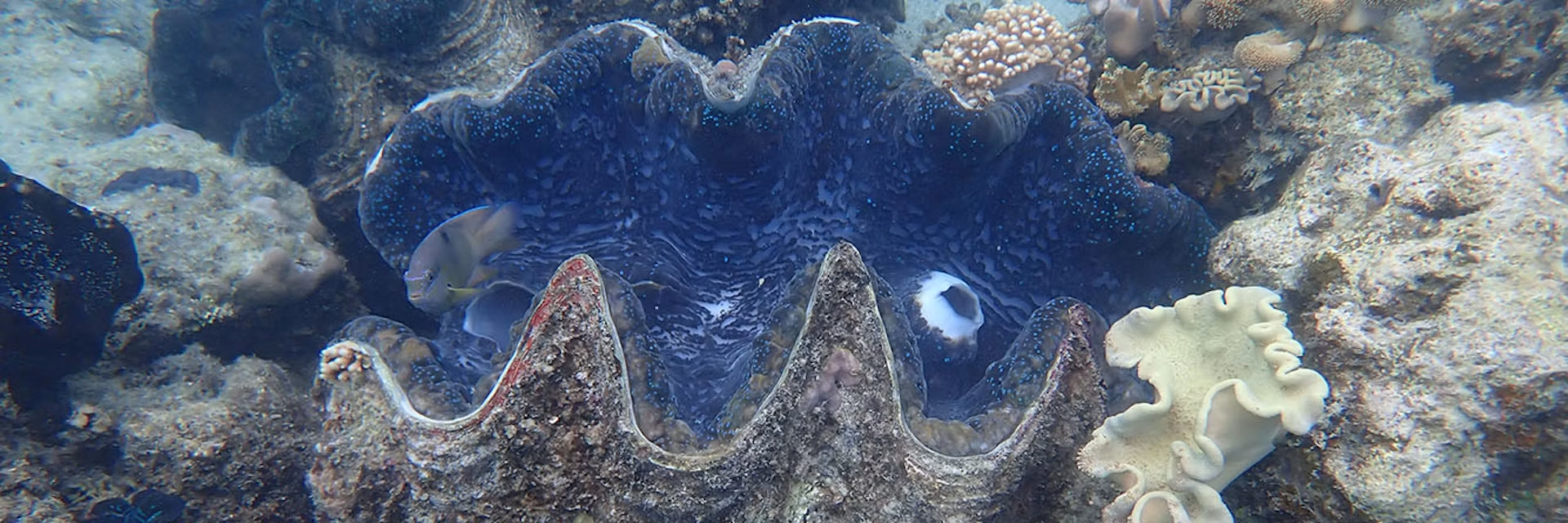
One Giant Clam Contains a Month‑by‑Month Diary of the Great Barrier Reef’s Climate 200 Years Ago
Nautilus · 1d ago
Passportless mess
Aeon | a world of ideas · 1d ago
📰
IVF ‘add-ons’ offer hope to parents desperate for a baby. But are they backed by science?
Scientific American Content: Global · 1d ago
📰
Why AI-powered romance scams are harder than ever to spot
Scientific American Content: Global · 1d ago
Woman's 5-year struggle with balance and walking was caused by a 'one-in-a-million' disorder
Latest from Live Science · 1d ago
Now is the best time to see Saturn all year — yes, even with the naked eye
Latest from Live Science · 1d ago