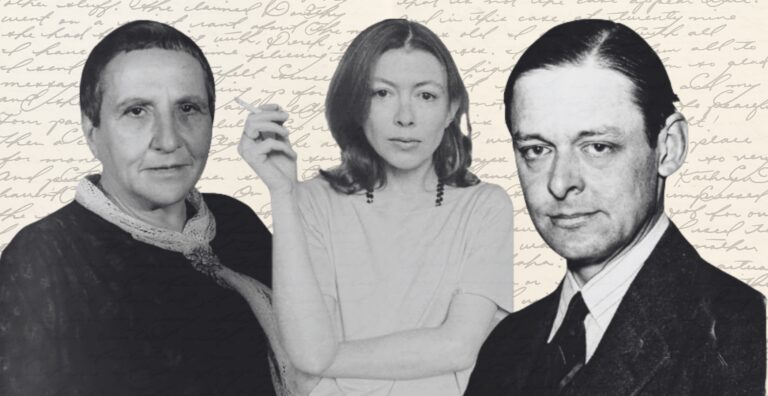
What Gertrude Stein, T. S. Eliot and Joan Didion Really Meant With Their Most Famous Aphorisms
Source ↗
👁 0
💬 0
Phrased & Confused, in which Eli Burnstein digs into the meaning of some of the famous literary aphorisms of all time, is available now from Abrams.
Illustration by Liana Finck.
“A rose is a rose is a rose.”
–Gertrude Stein, 1913
From the verbal contortionist who brought us a pitch-perfect insult for bland locations (“There is no there there”) and graced post-World War I writers with the tenderest nickname of all time (“The lost generation”), Gertrude Stein haunts the annals of lite
Phrased & Confused, in which Eli Burnstein digs into the meaning of some of the famous literary aphorisms of all time, is available now from Abrams.
Illustration by Liana Finck.
“A rose is a rose is a rose.”
–Gertrude Stein, 1913
From the verbal contortionist who brought us a pitch-perfect insult for bland locations (“There is no there there”) and graced post-World War I writers with the tenderest nickname of all time (“The lost generation”), Gertrude Stein haunts the annals of lite



Comments (0)