🔬 Science Aug 14, 2026 · Tereza Pultarova

Will the new moon race turn Earth's nearest neighbor into a dumping ground?
Space.com
Space exploration, astronomy, and skywatching
View Channel →
Will the new moon race turn Earth's nearest neighbor into a dumping ground?
Source ↗ 👁 2 💬 0
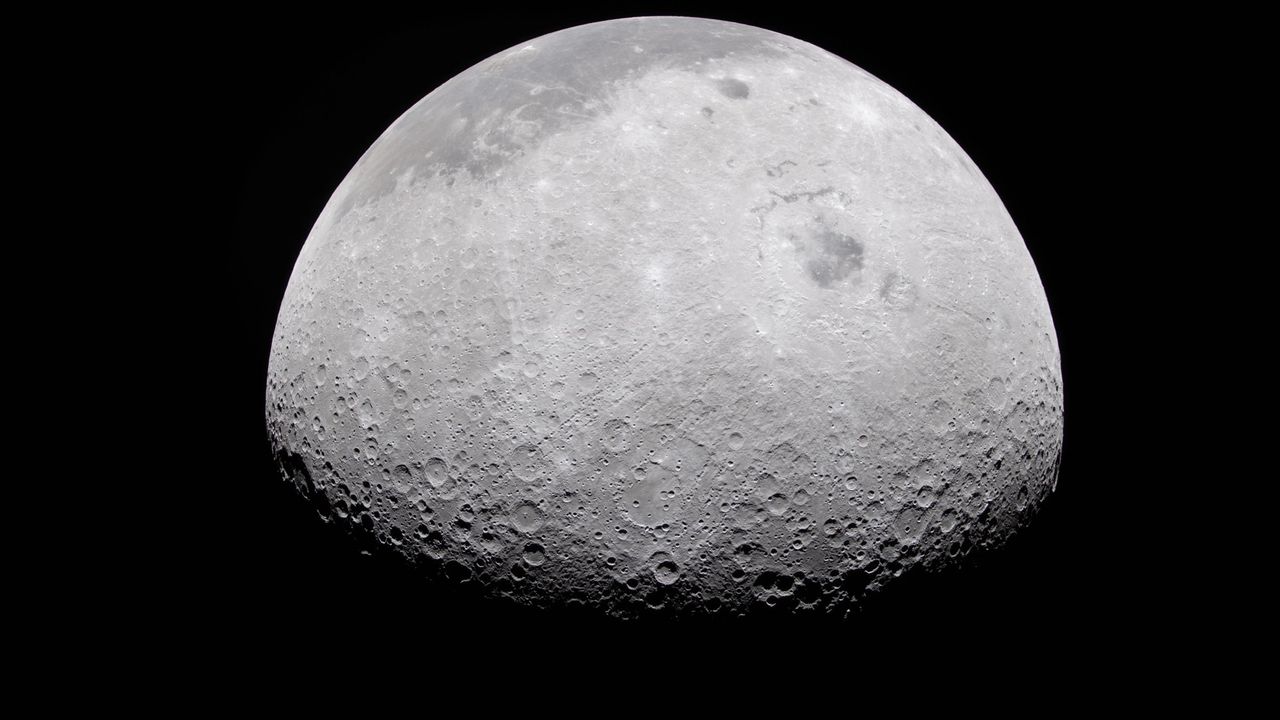
An 8,800-pound (4,000 kilograms) Falcon 9 rocket stage hit the moon last Wednesday (Aug. 5), stirring lunar regolith in a massive plume of dust observable all the way from Earth. The rocket joined some 3,000 manmade objects scattered on the surface of our planet's companion. Some experts think it's about time we start treating the pristine lunar environment with a bit more respect.Around 200 tons of Earth stuff have been either deliberately left on or crashed into the moon since the beginning of


Comments (0)

Sign in to join the discussion

More Like This

Hawaii battles strong winds and rain as Hurricane Lala threat looms
BBC News · 6d ago
Gorging on bearcam: the livestream of big beasts eating that draws millions
Environment | The Guardian · 6d ago
📰
People form judgments about a stranger’s trustworthiness and competence after seeing their face for just one-tenth of a second — and Princeton researchers found that more viewing time did surprisingly little to change the impression, mostly making people more confident in it.
ScienceBlog.com · 6d ago
We tend to picture the Sahara as an eternal desert, but sediment cores and cave paintings show that as recently as 6,000 years ago it was a green savanna crossed by rivers and lakes, populated by hippos, crocodiles and cattle-herding people whose rock art still survives on the walls of Tassili n’Ajjer
ScienceBlog.com · 6d ago
Quote by Viktor Frankl: Between stimulus and response there is a space, in that space is our power to choose our response, and in our response lies our growth and our freedom
ScienceBlog.com · 6d ago
📰
We assume the deepest parts of the ocean are dark and empty, but the walls of the Mariana Trench hold snailfish drifting five miles down under pressure equivalent to a car pressing on every square centimetre of skin, their bones half-dissolved into cartilage so they can bend instead of shatter
ScienceBlog.com · 6d ago