🔬 Science 8h ago

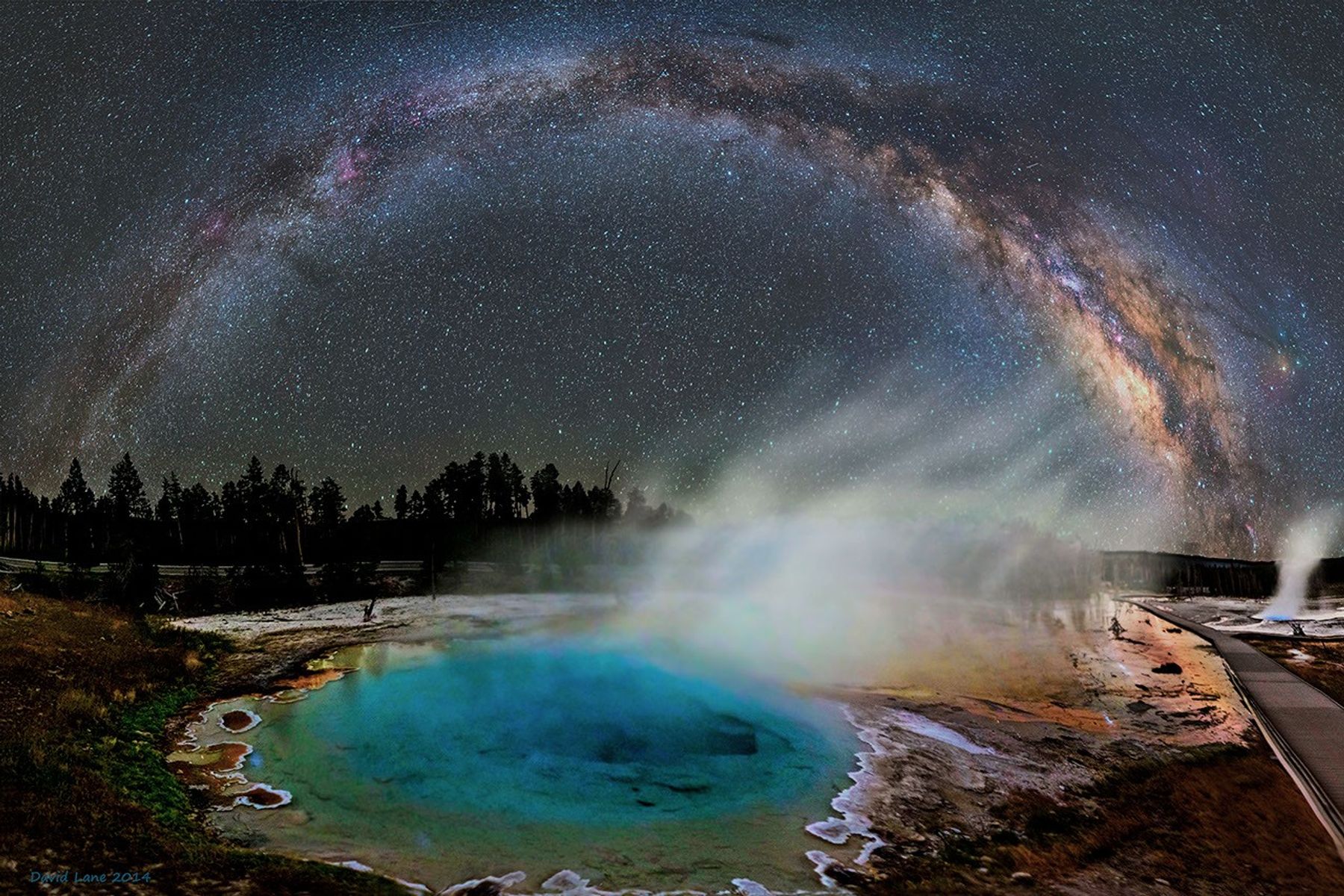
APOD: 2026 August 16 – Milky Way over Yellowstone
NASA News
NASA science news
View Channel →
APOD: 2026 August 16 – Milky Way over Yellowstone
Source ↗ 👁 0 💬 0
APOD


Science
APOD
APOD: 2026 August 16 – Milky…


Today’s APOD
Archive
Submissions
Index
Search
Calendar
RSS
Education
About
Discuss


APOD
Astronomy Picture of the Day

Discover the cosmos! Each day a different image or photograph of our fascinating universe is featured, along with a brief explanation written by a professional astronomer.


Milky Way over Yellowstone


Explanation: The Milky Way was not created by an evaporating lake. The colorful pool of w

Comments (0)

Sign in to join the discussion

More Like This

Hawaii battles strong winds and rain as Hurricane Lala threat looms
BBC News · 5h ago
Gorging on bearcam: the livestream of big beasts eating that draws millions
Environment | The Guardian · 6h ago
📰
People form judgments about a stranger’s trustworthiness and competence after seeing their face for just one-tenth of a second — and Princeton researchers found that more viewing time did surprisingly little to change the impression, mostly making people more confident in it.
ScienceBlog.com · 7h ago
We tend to picture the Sahara as an eternal desert, but sediment cores and cave paintings show that as recently as 6,000 years ago it was a green savanna crossed by rivers and lakes, populated by hippos, crocodiles and cattle-herding people whose rock art still survives on the walls of Tassili n’Ajjer
ScienceBlog.com · 8h ago
Quote by Viktor Frankl: Between stimulus and response there is a space, in that space is our power to choose our response, and in our response lies our growth and our freedom
ScienceBlog.com · 8h ago
📰
We assume the deepest parts of the ocean are dark and empty, but the walls of the Mariana Trench hold snailfish drifting five miles down under pressure equivalent to a car pressing on every square centimetre of skin, their bones half-dissolved into cartilage so they can bend instead of shatter
ScienceBlog.com · 8h ago