🔬 Science Aug 10, 2026 · Andrey Feldman

Artificially rotating system reflects radiation like a black hole
Physics World
Physics World news
View Channel →
Artificially rotating system reflects radiation like a black hole
Source ↗ 👁 7 💬 0
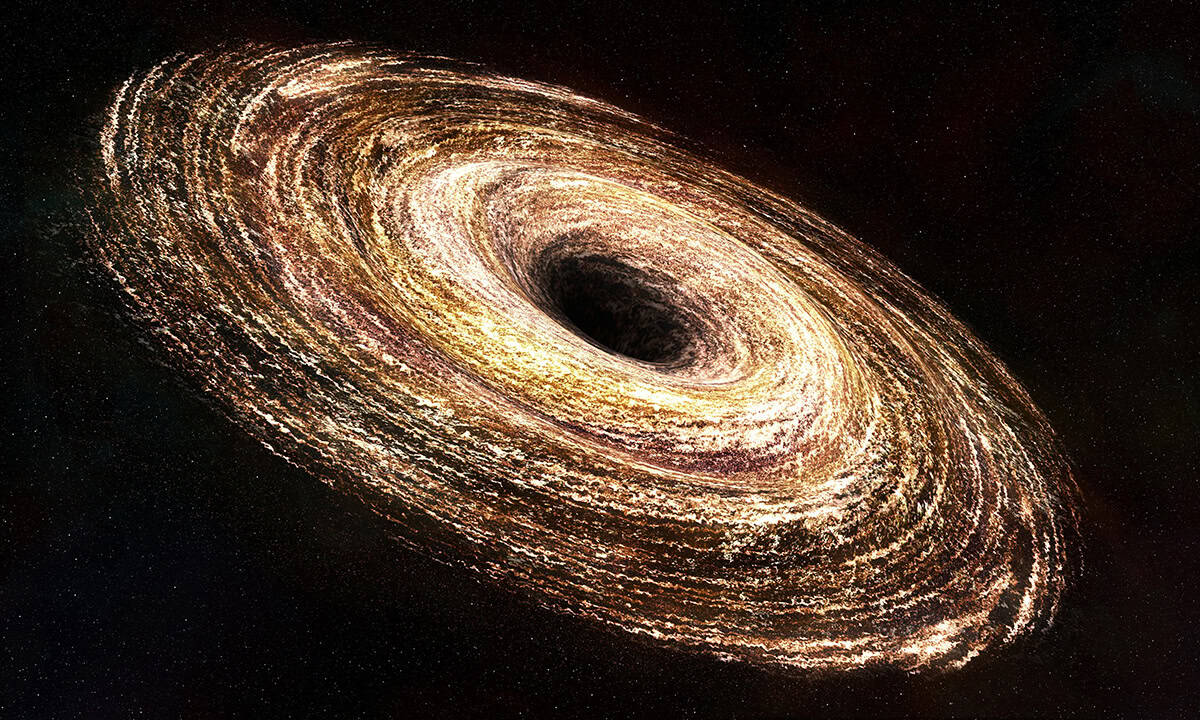
A radio signal has been amplified by scattering it from a stationary coin-sized electronic circuit that behaves as though it is rotating at an enormous rate. Conceived by a team at the City University of New York, the experiment is said to provide the first observation of rotational super-radiance involving electromagnetic waves. This wave-amplification effect is inspired by rotating black holes and was predicted more than half a century ago. Andrea Alù and colleagues found that only radio waves


Comments (0)

Sign in to join the discussion

More Like This

Do other animals call each other by name?
Latest from Live Science · 22h ago
One Type of Diabetes Responds Better to a Weekly GLP-1 Drug Than to Insulin
ScienceAlert · 23h ago
📰
Genomic research published in 2026 revealed that koalas suffered a severe population collapse beginning about 100,000 years ago—before humans reached Australia—as glacial cooling and aridification destroyed and fragmented their forest habitat. Every living koala descends from the small eastern population that survived, then expanded and split into today’s major populations as forests recovered after the last ice age.
ScienceBlog.com · 23h ago
Curiosity Blog, Sols 4982–4987: Back to Our Regularly Scheduled Programming
NASA · 23h ago
📰
A marine worm with no mouth and no gut makes its own enzyme for digesting the bioplastic its skin bacteria build up, and the same kind of enzyme turned up in 66 more animal species across nine phyla, from a sponge to an earthworm to a springtail
ScienceBlog.com · 1d ago
📰
Black holes keep tearing these stars apart, but they survive
Latest Science News -- ScienceDaily · 1d ago