🔬 Science 6d ago · Stefanie Waldek

In 1776, the moon was a clock, a calendar and a streetlight — and it was 31 feet closer to Earth
Space.com
Space exploration, astronomy, and skywatching
View Channel →
In 1776, the moon was a clock, a calendar and a streetlight — and it was 31 feet closer to Earth
Source ↗ 👁 0 💬 0
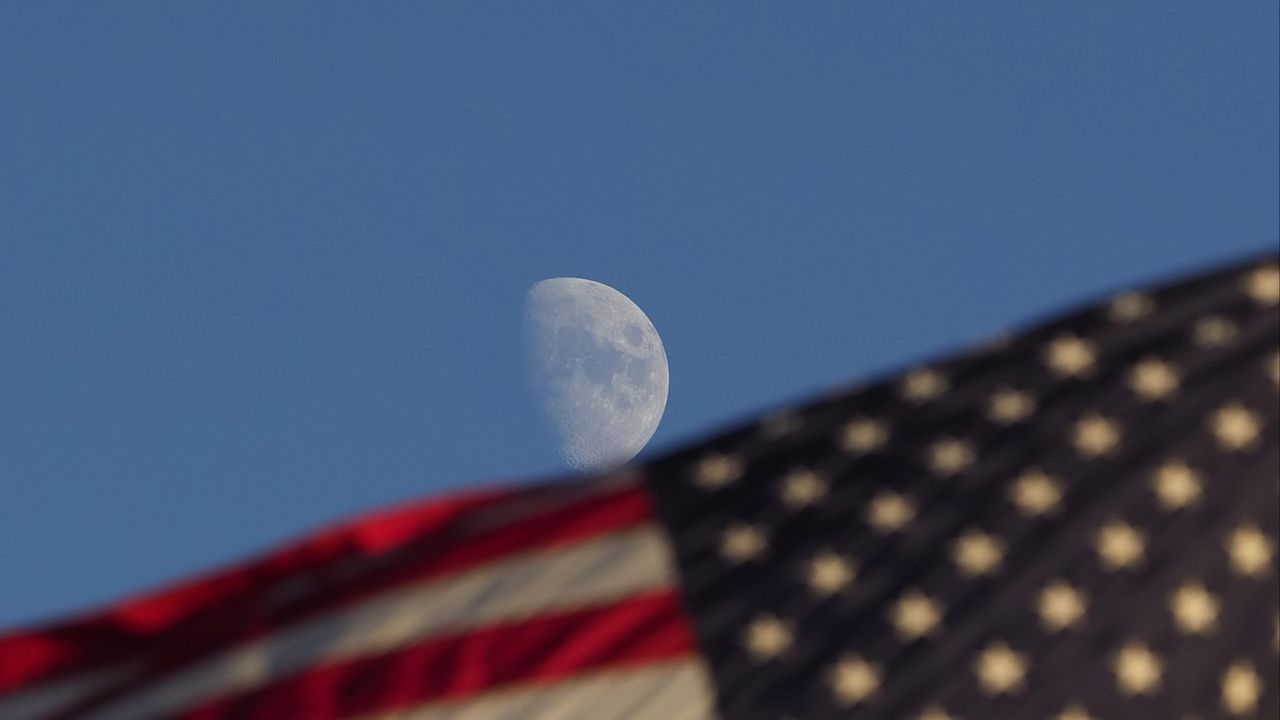
After Americans declared independence on July 4, 1776, a waning gibbous moon rose in the night sky. To the people celebrating the birth of a new nation, it would have looked much the same as the moon we see today. But there was one subtle difference: 250 years ago, the moon was about 31 feet (9.4 meters) closer to Earth than it is now."The moon is currently drifting away from Earth at a rate of about 3.8 centimeters [1.5 inches] per year, which is coincidentally roughly the same speed at which h


Comments (0)

Sign in to join the discussion

More Like This

AI tools meant to vet science are surprisingly easy to fool
Science News · 8h ago
Humans And Neanderthals Shared a Culture For 20,000 Years, Cave Discovery Suggests
ScienceAlert · 8h ago
Scientists Found The Driving Force Behind Your Darkest Impulses, And It's More Widespread Than Thought
ScienceAlert · 10h ago
Changes in structure and ionic resistance of lithium-ion battery graphite electrodes
Physics World · 11h ago
Machine vision begins to work like the human eye
Physics World · 12h ago
'Unique event': Solar eclipse fever fills empty Spain
Phys.org - latest science and technology news stories · 12h ago